E.P. (Essential Petition) 402-14
In the Court of Meaning
This Child v. Is It Me?
Application for Temporary Placement of Trust in a Responsible Adult
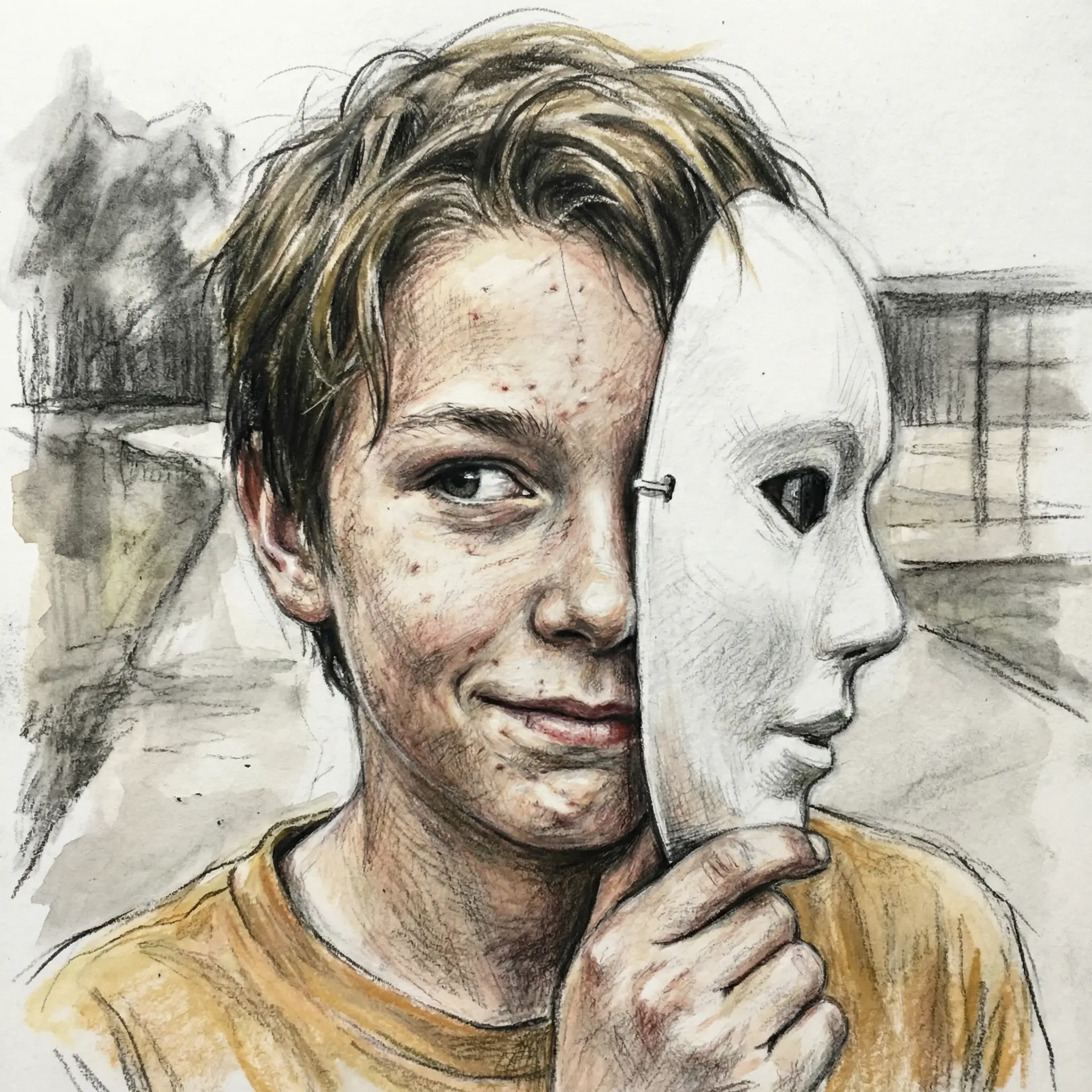
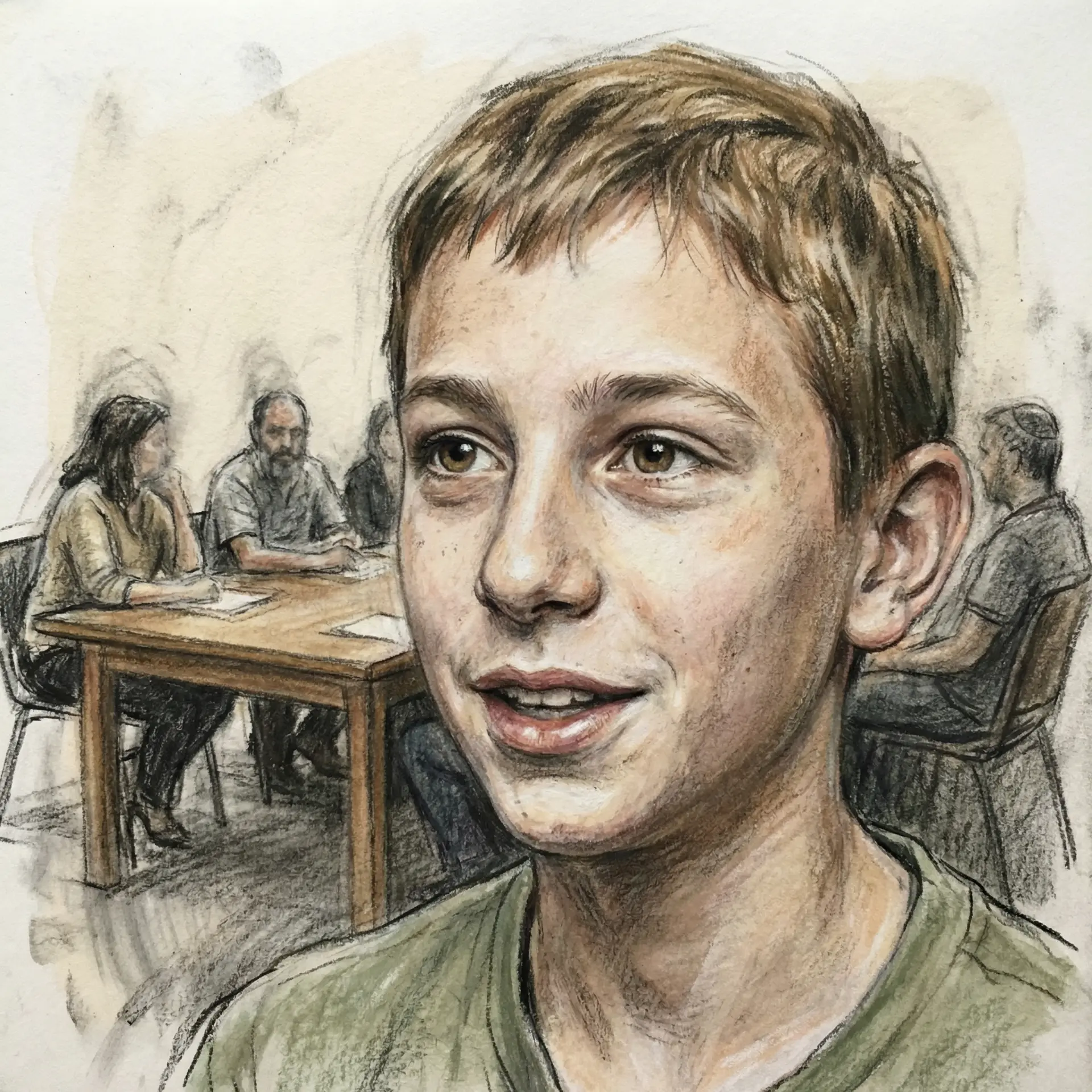
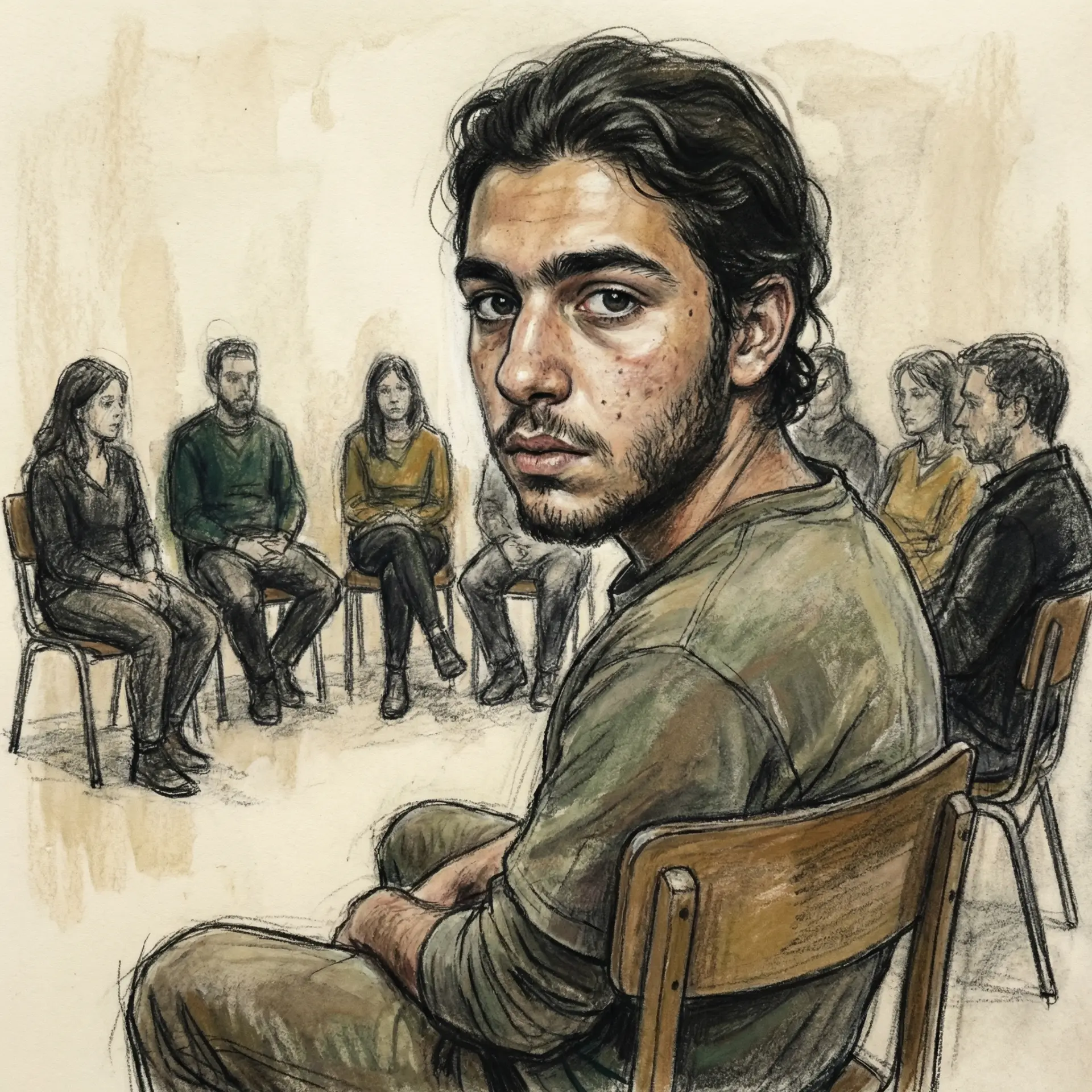
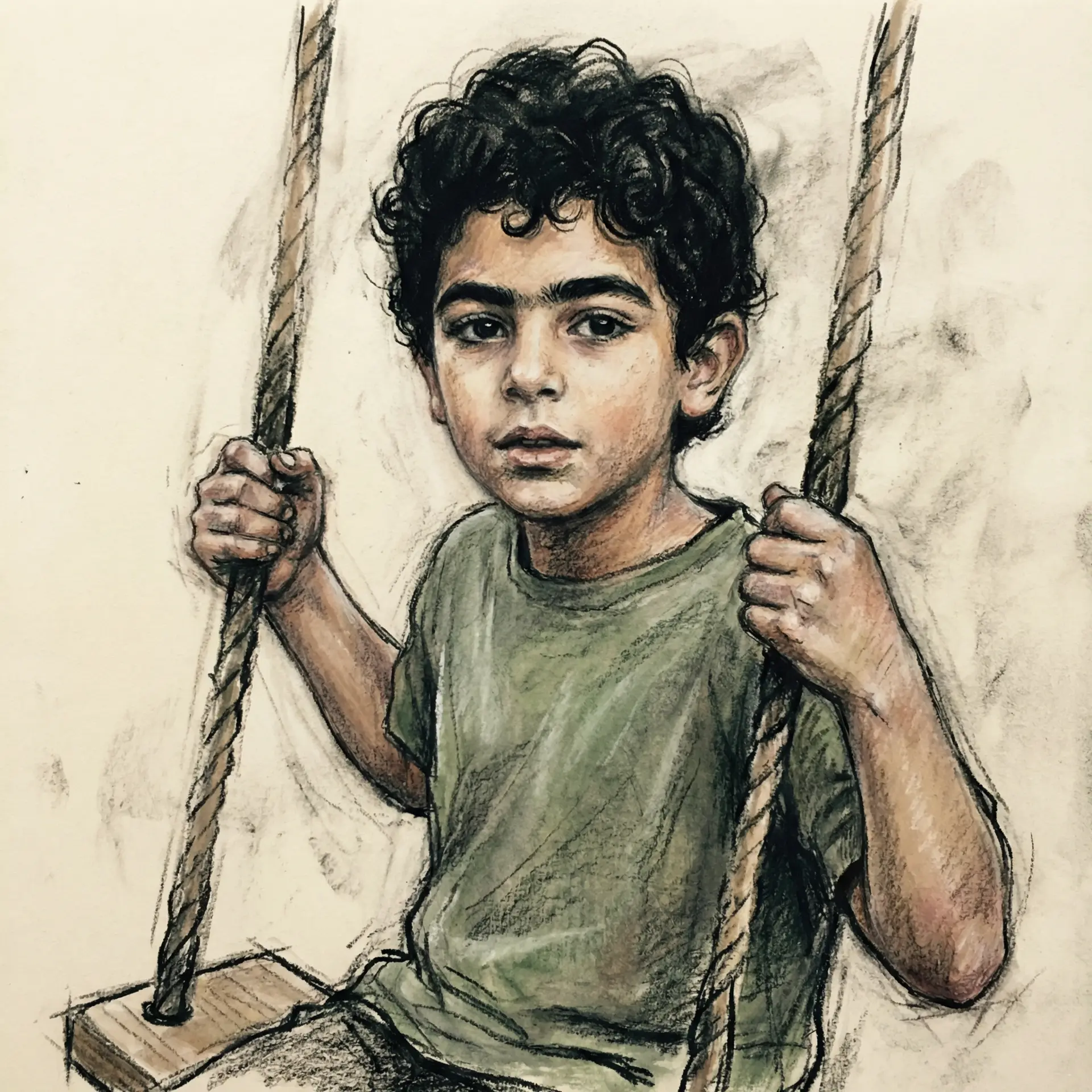
Michael didn't want to leave the classroom. I could understand. Why would he want to meet another stranger? To add yet another person to his life's transcript? Another woman with good intentions who doesn't truly understand what it means to be a child longing for a deceased mother, for a father unable to parent due to schizophrenia and alcoholism, and for a grandmother who suffered a stroke a year ago and hasn't been seen since?
When he finally decided to step out, he walked past me wearing a mask over his face and ran to hide in an adjacent room. There, he found refuge in a tiny nook between a wall, a cabinet, and a stack of boxes.
I sat on a nearby chair, thinking how little I knew about what was right to do or say. I began telling a story about a cat I once had - a pitch-black, eyeless cat who walked in circles, named Shimi. Thank goodness Michael loved animals.
Something in him softened. Curious, he asked questions and offered to show me the boarding school's petting zoo. Thank God for Shimi the cat, I said to myself.
On our way to the petting zoo, he suddenly took off his mask. 'I don't need it anymore,' he said. I caught a glimpse of his bare face with a faint smile.
After several more meetings, searches, and inquiries, I took Michael to visit his grandmother. On the way, he admitted he was afraid of seeing her half-paralyzed. I told him that if it became too difficult, he should let me know.
When we walked in, elderly residents sat paralyzed, pained, staring into space. Uncomfortable sights. Michael didn't seem to care; he recognized his grandmother instantly, walked up to her, and held her in a long hug. Both wept. They caressed each other and held hands. Their thirst for human contact was undeniable. They sat together for a long time, exchanging affectionate words, recalling memories, laughing, and slowly parting.
Later, grandmother passed away too. Michael asked me to help him write a letter to the judge, wanting to return to live with his father.
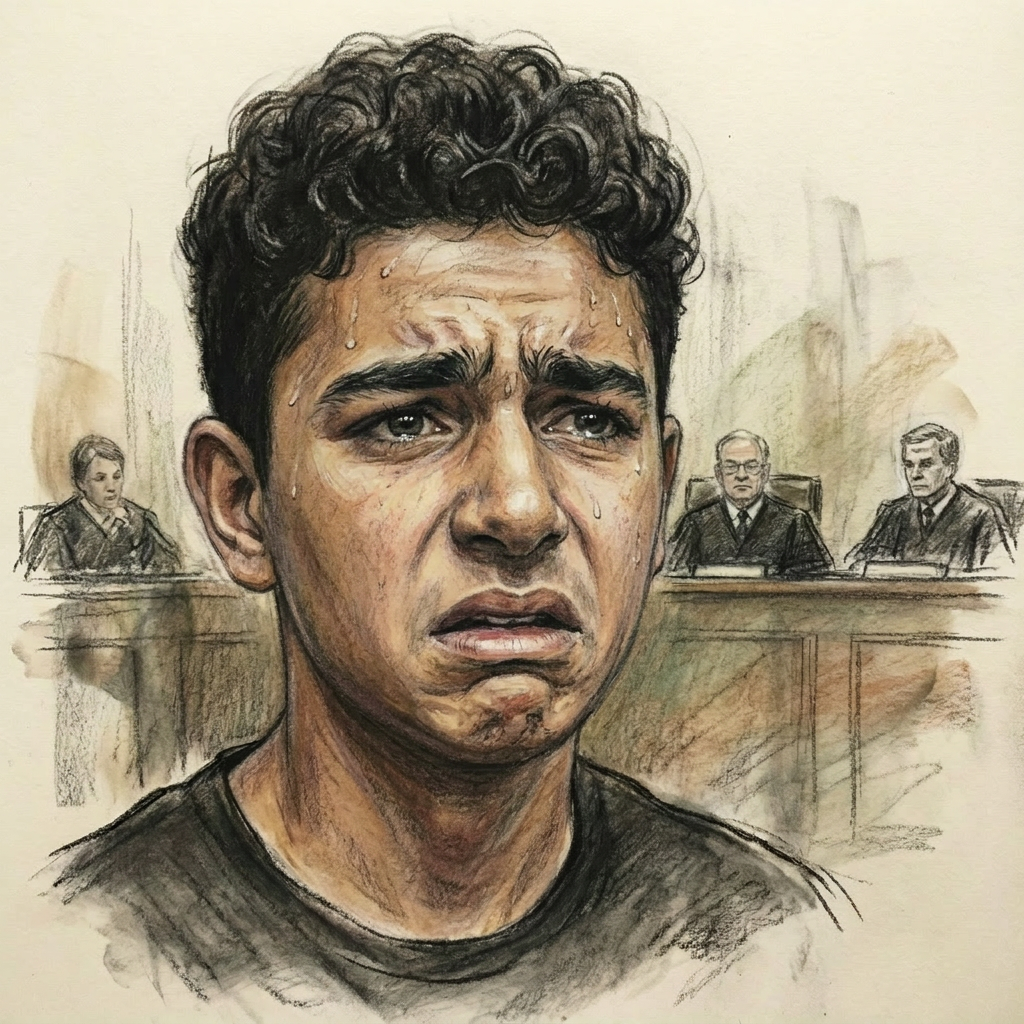
We sat together; he spoke, and I wrote. 'I want them to give me a chance to live with my dad,' he said, 'even if conditions at home aren't good and even if he has problems. I know he has problems, and I'll have to deal with them all my life anyway.'
Children long so deeply for their parents. Even when the parent cannot care for them or do them good, it doesn't matter. Given the choice, many would say they prefer to stay with that parent despite all the problems.
I too must sometimes choose what I represent: the best interest of the child as I see it, or the child's wish as he sees it?
I helped Michael articulate his desires and thoughts. We drafted a formal, respectful letter to the judge and submitted it. In the end, the judge, social services, and I - all who allegedly know what's best for Michael - decided he could not return to live with his father.
Years later, the day the court order expired, Michael packed a bag and fulfilled his sole wish: moving in with his father.