N.C. (National Cancellation) 2023-07-10
Before the Court of War
Wounded No. 232 v. Disability Regulations
Urgent Motion for The Opening a Humanitarian Corridor
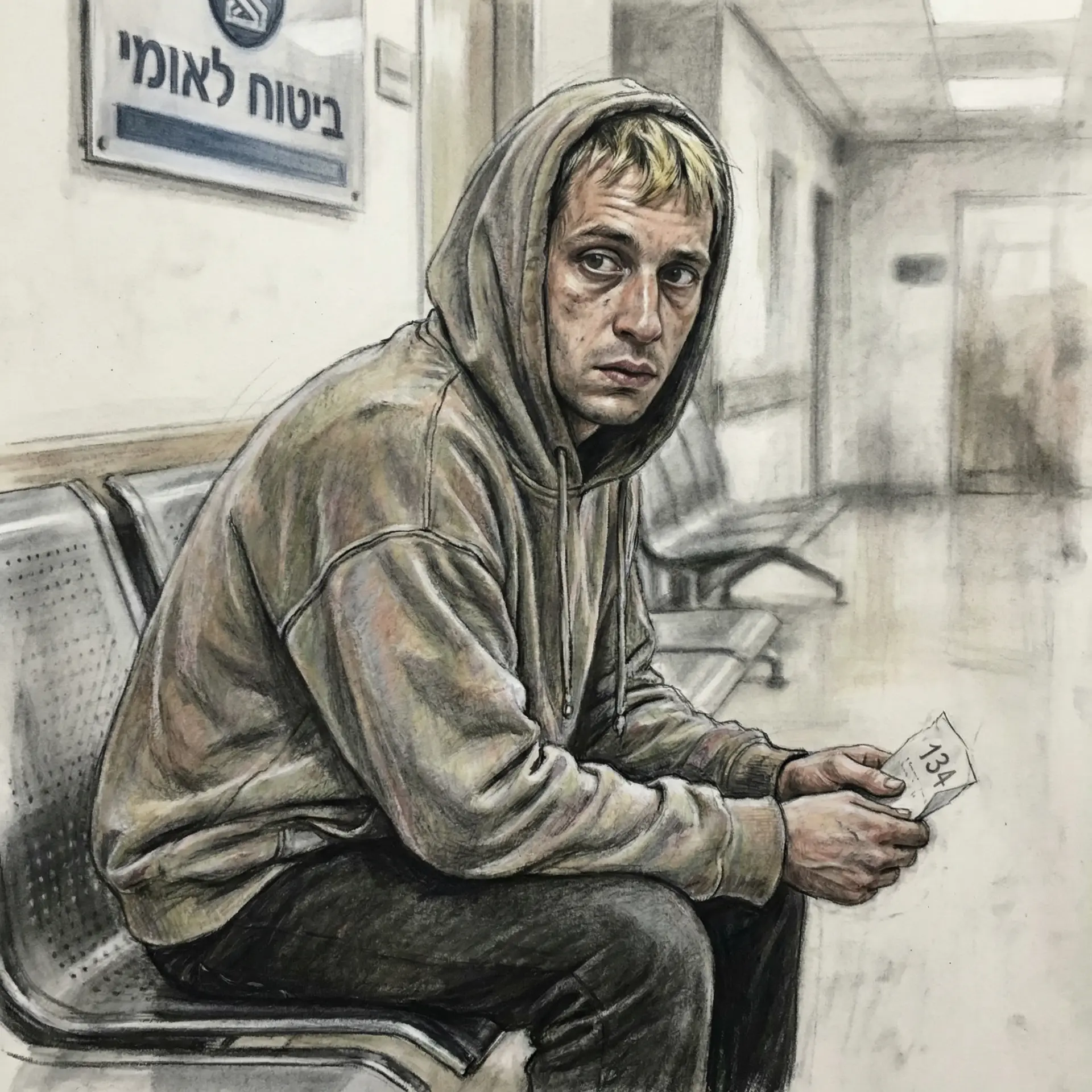
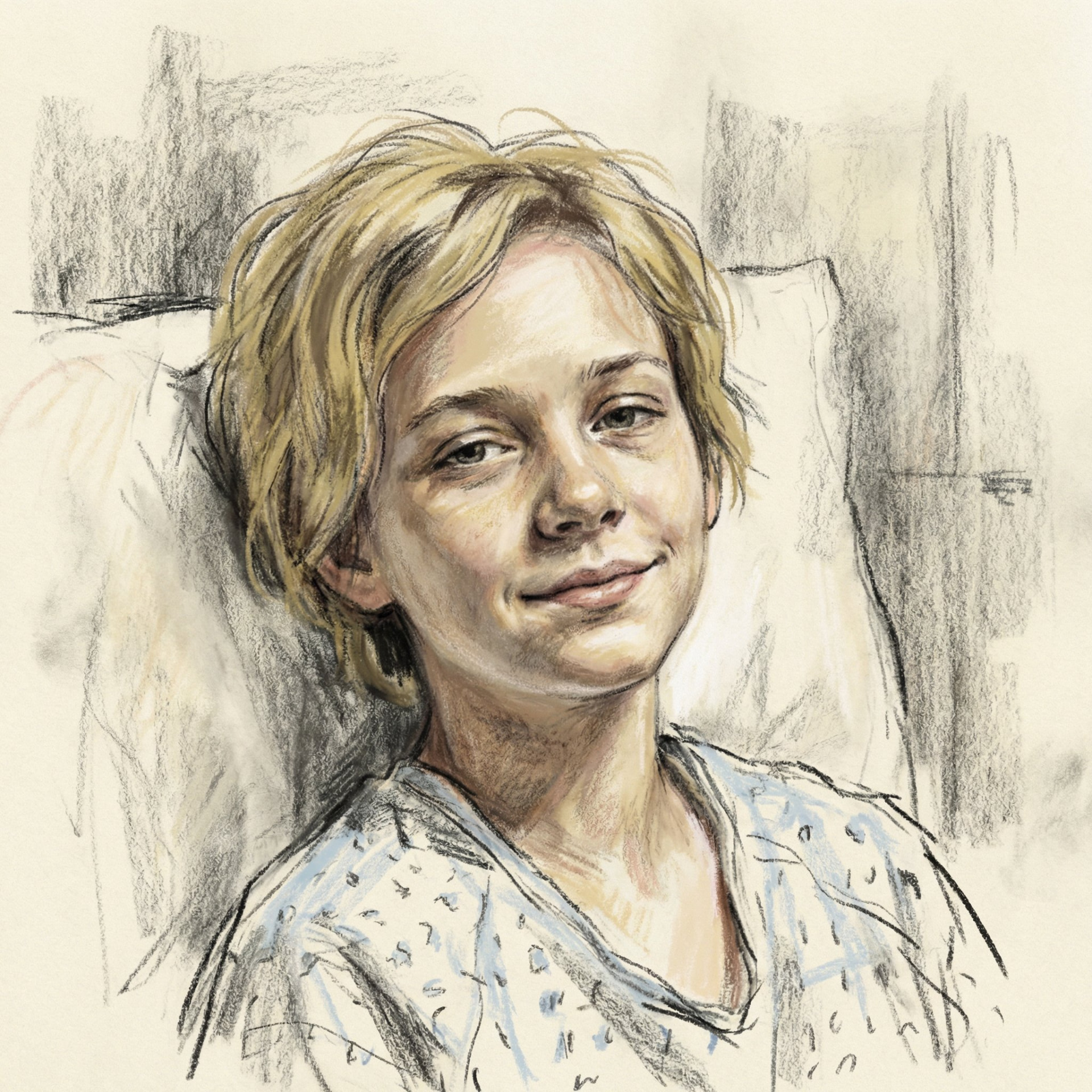
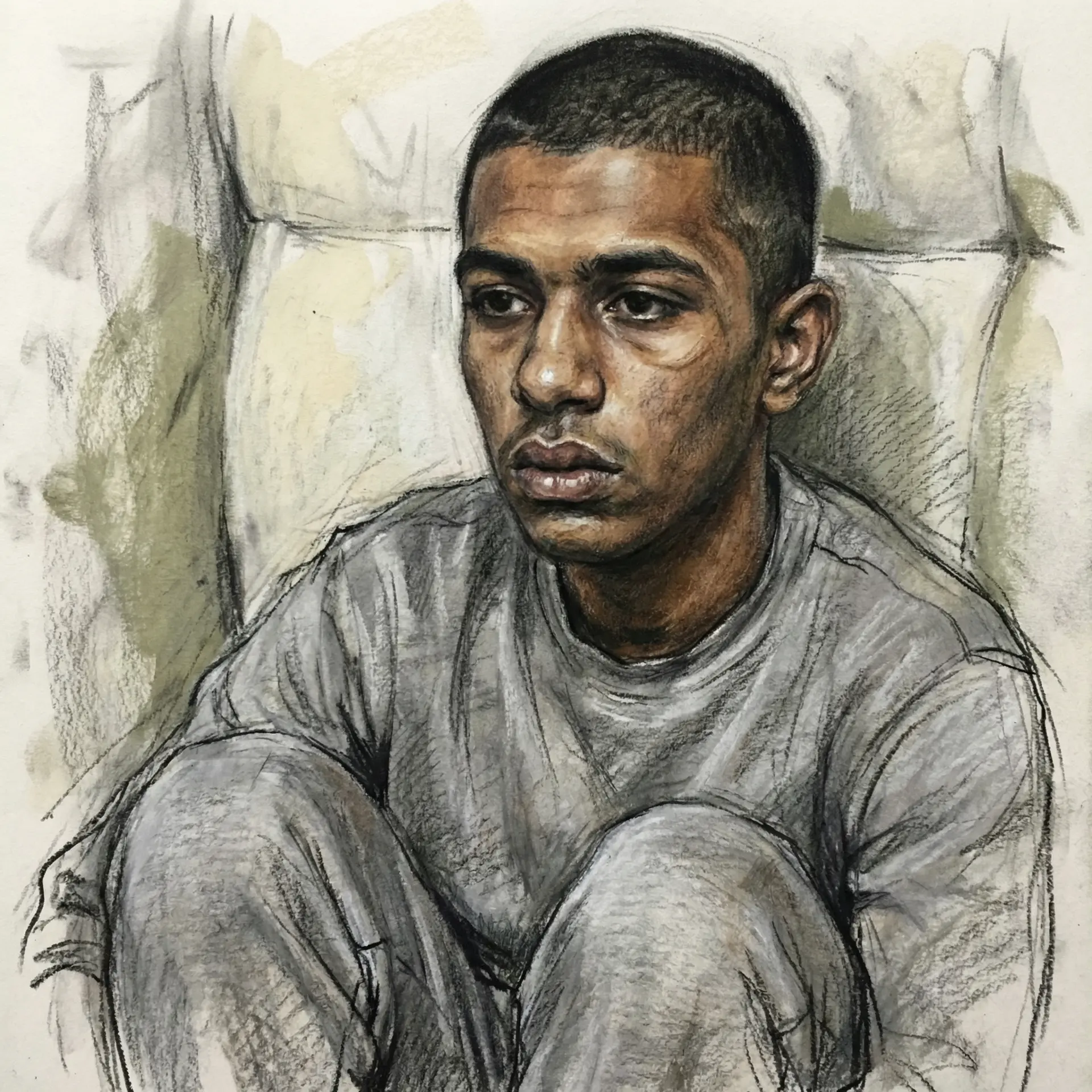
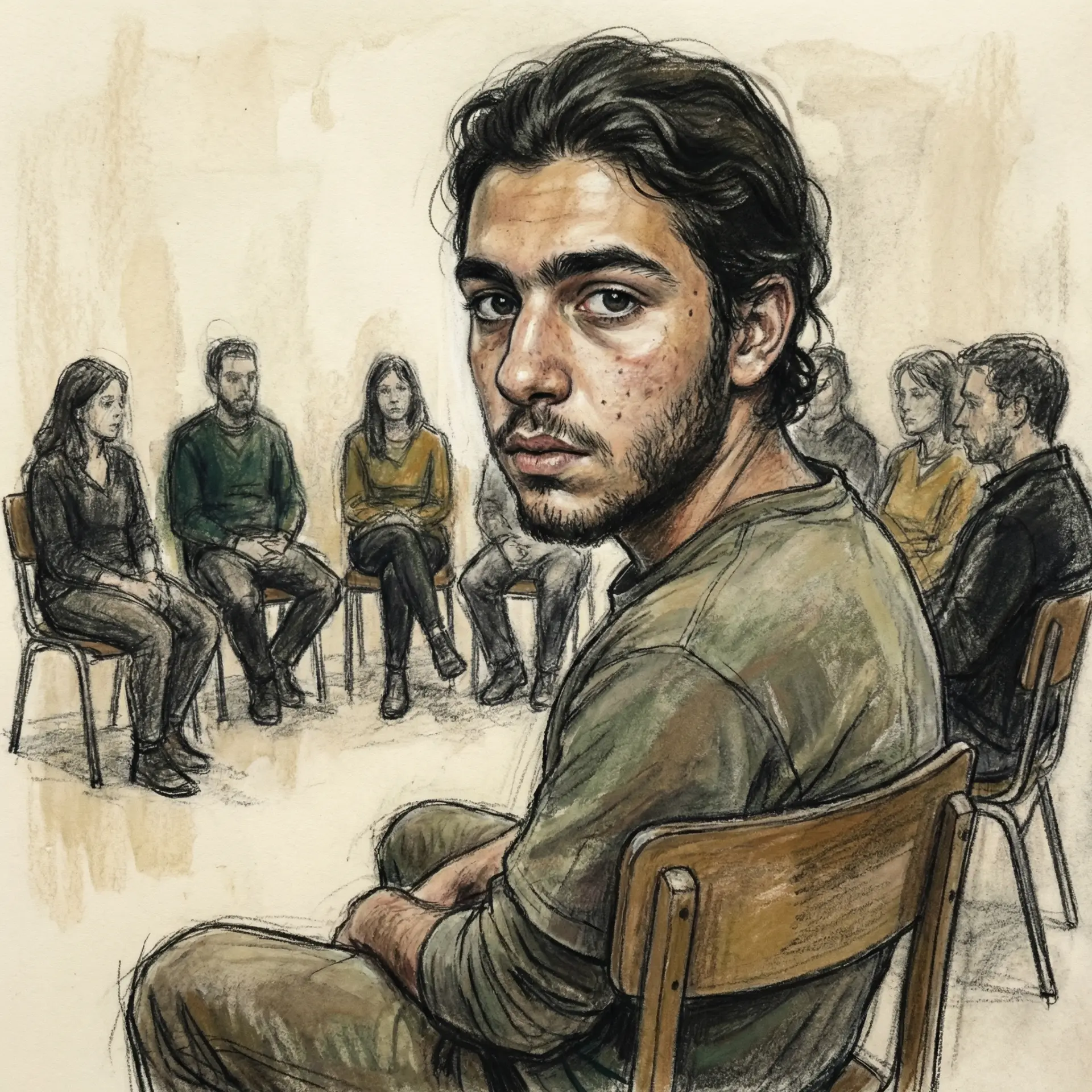
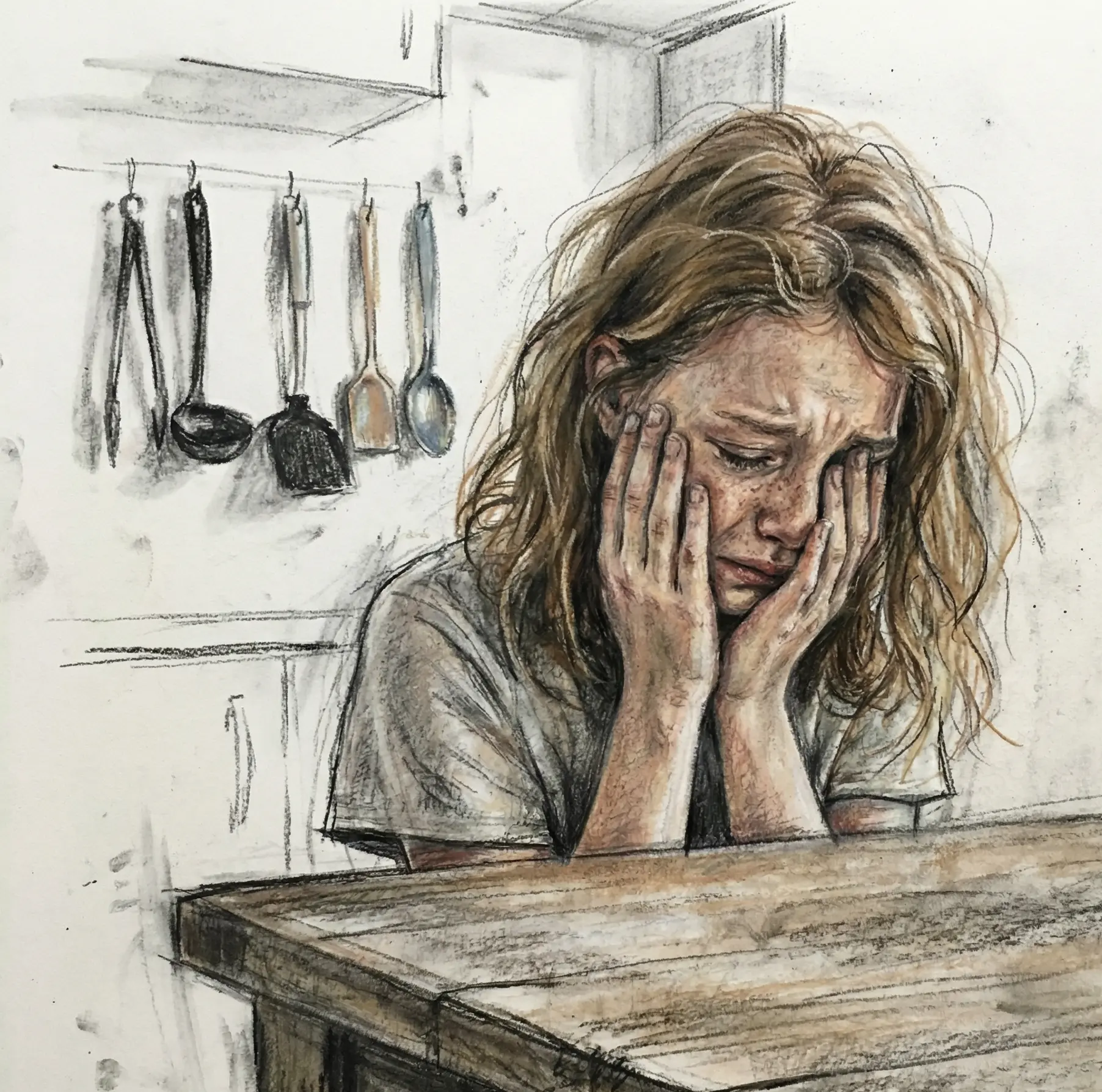
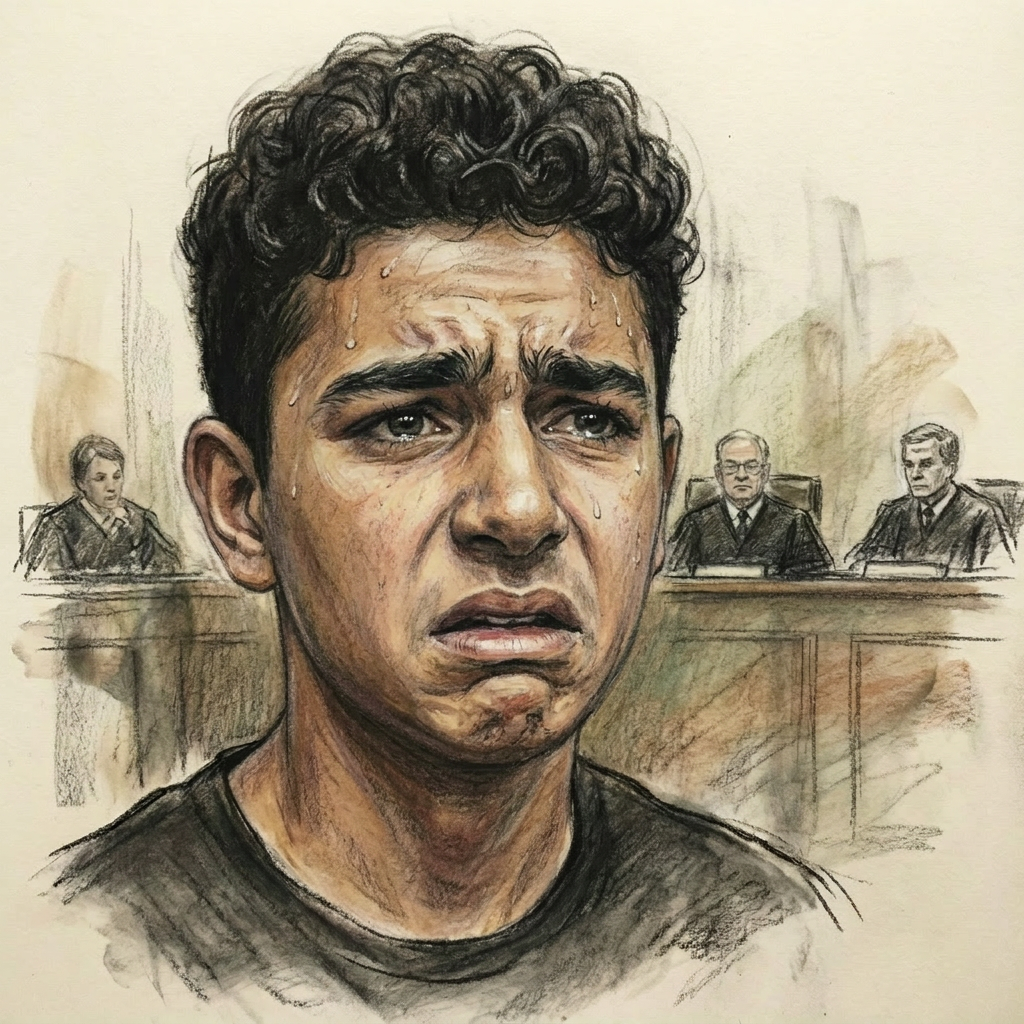
Roei survived the massacre at the Reim festival. The word 'survived' sounds almost technical. In reality, it describes an unimaginable continuum of loss, injury, and terror.
On October 7th, he was there with a group of friends. Some were murdered. Some were abducted. He hid in a bomb shelter, was wounded by shrapnel from a grenade thrown inside, ran while bleeding along Route 232, desperately searching for his friends among sights hard to comprehend - burned cars, bodies, bursts of gunfire, rocket explosions.
One would expect survivors of such an event to receive clear, automatic recognition. But that is not what happened. There were medical boards. Too many medical boards. Too many ill-fitted disability percentages. Too many appeals. Every percentage point is a cold translation of suffering into a form number, each ruling a fresh jolt. As if one must continuously prove the injury is real, ongoing, not a fleeting event.
In the hearings, Roei was asked to recount, detail, specify. More details. More descriptions. Trauma upon trauma. I saw how the procedure deepened the feeling of abandonment. How a person who lived through the unthinkable was required to present it again, concisely, compressed into a few minutes.
The system is not built to hold human fracture in its entirety. It is built on rating scales and criteria. Thus it calculates the value of pain. What a sleepless night is worth. What percentage represents the memory of a grenade exploding inside a crowded shelter.
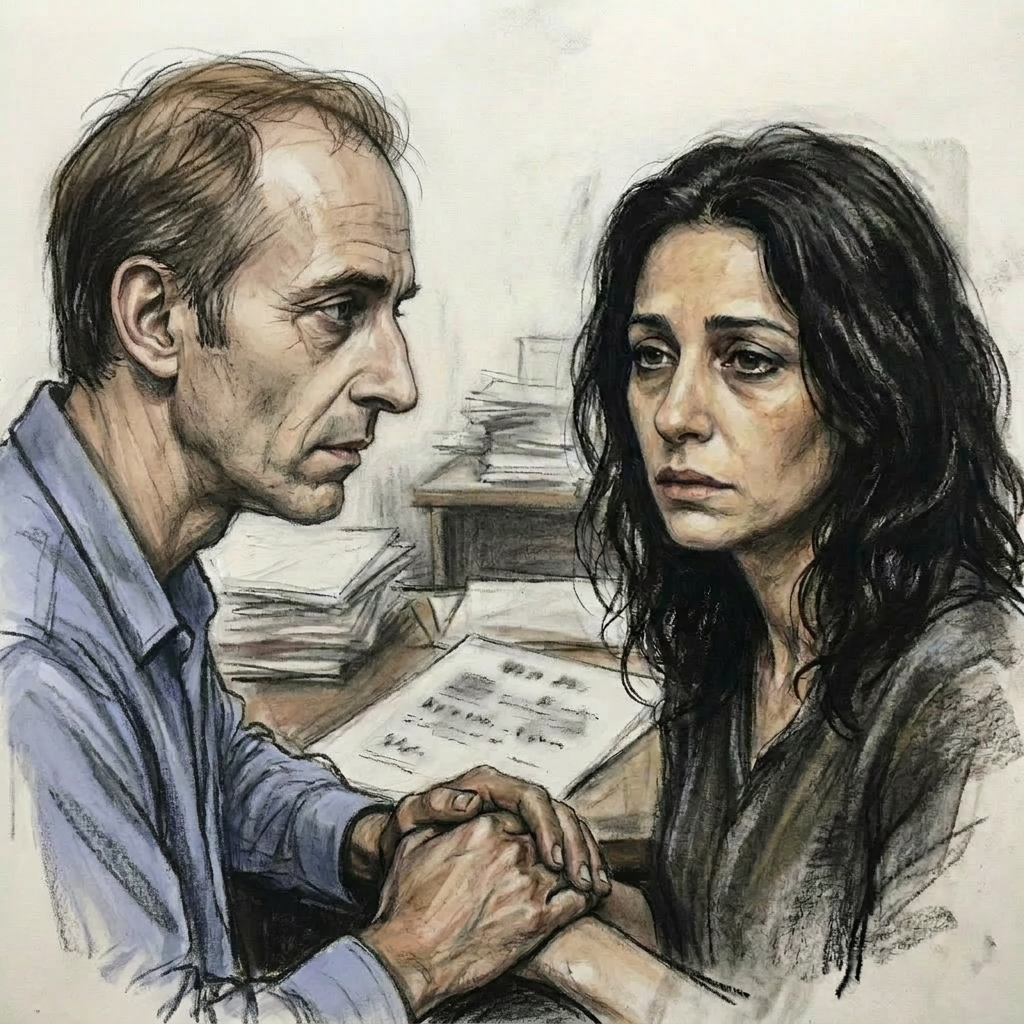
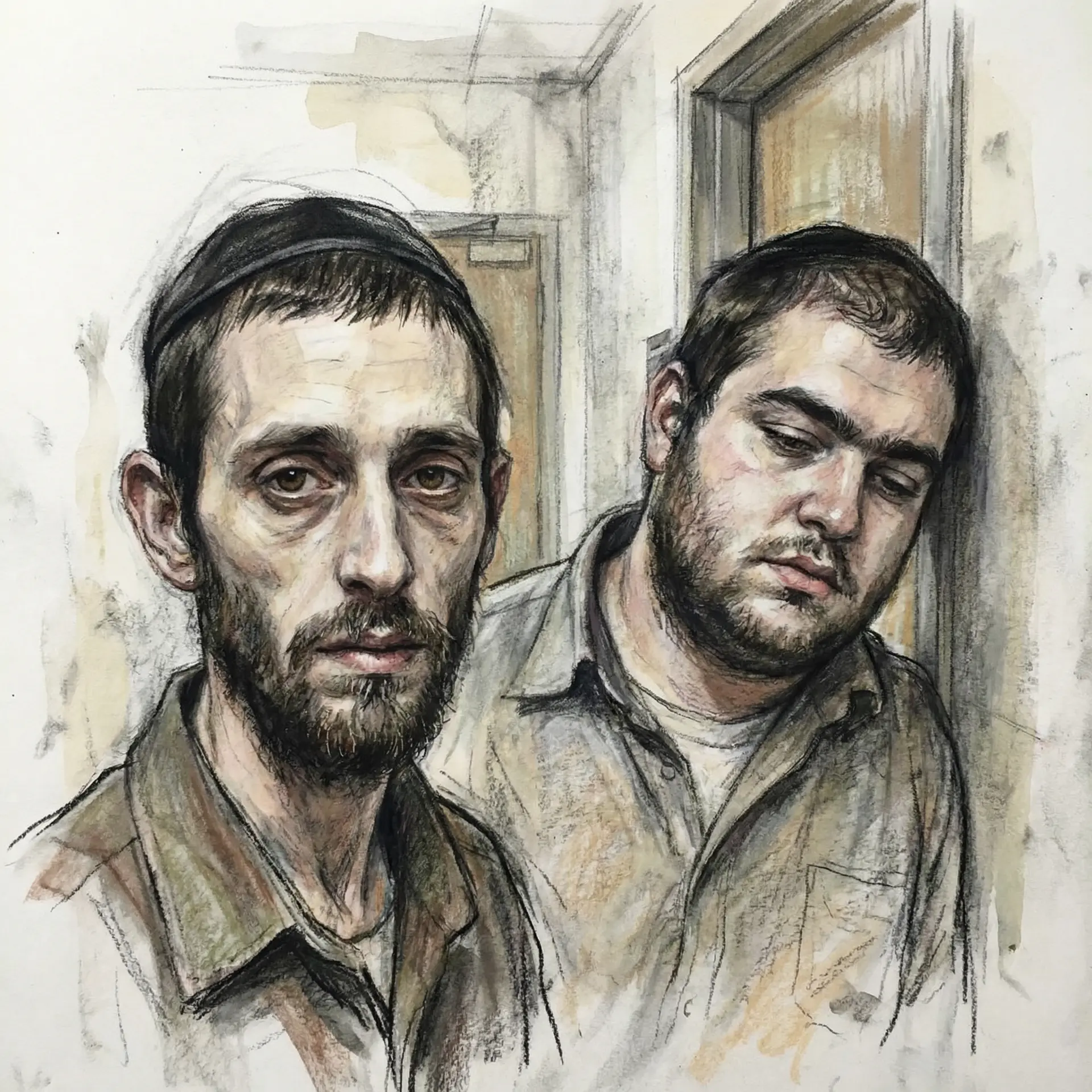
Sitting together in the corridors was often no less difficult than the hearing itself. Tension was evident in him before we even entered - quick glances at every movement, a tense body, long silences. Sometimes we sat without speaking. Sometimes he asked a question masking clear anxiety - what will they decide, how much will they set, how much more will be demanded of him to describe?
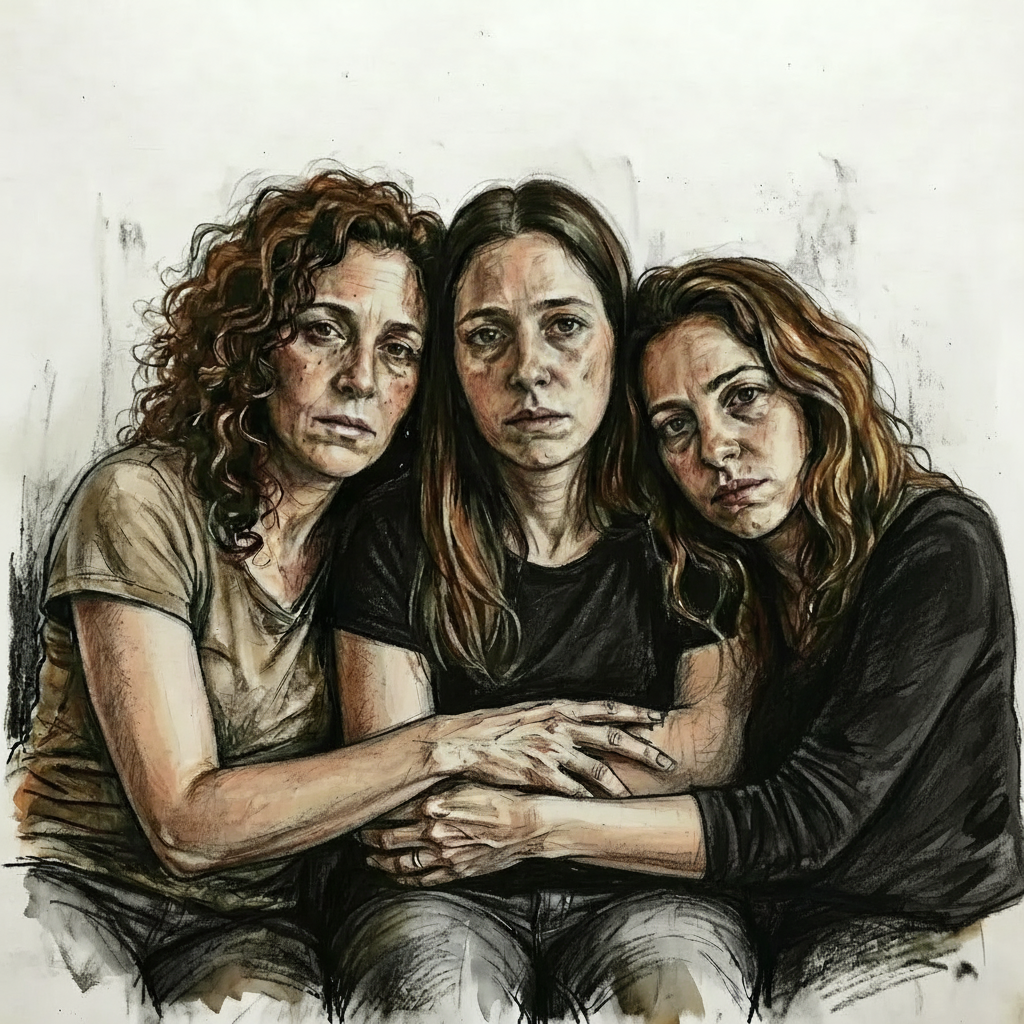
We held the uncertainty together. 'At least I'm not alone in this,' he said to me. 'I'm with you,' I told him, one hundred percent, not one percent less.