S.L. (School of Life Case) 7812-19
Before the Committee for Eligibility and Characterization
Reading Comprehension v. Listening Comprehension
Motion to Correct a Mistake
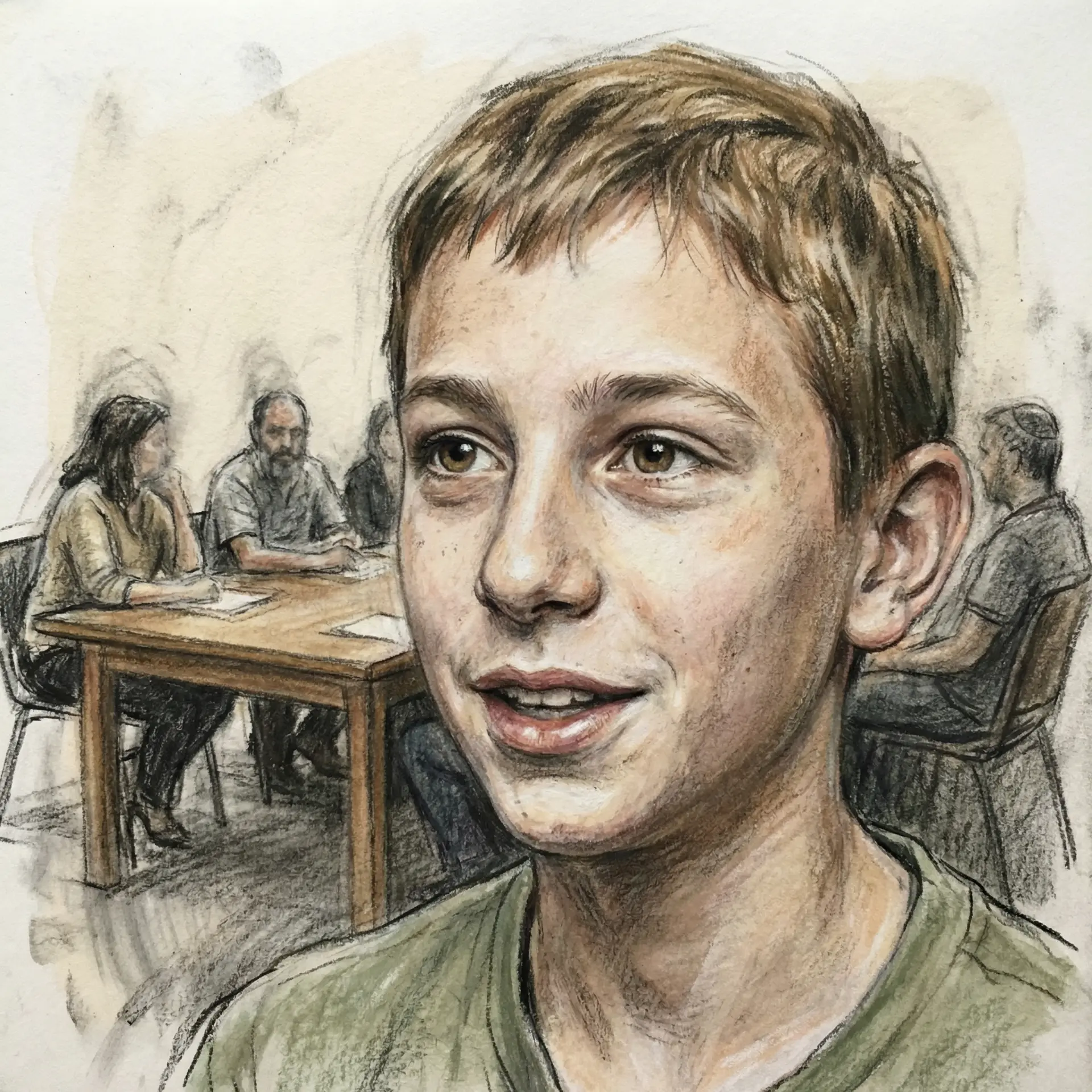
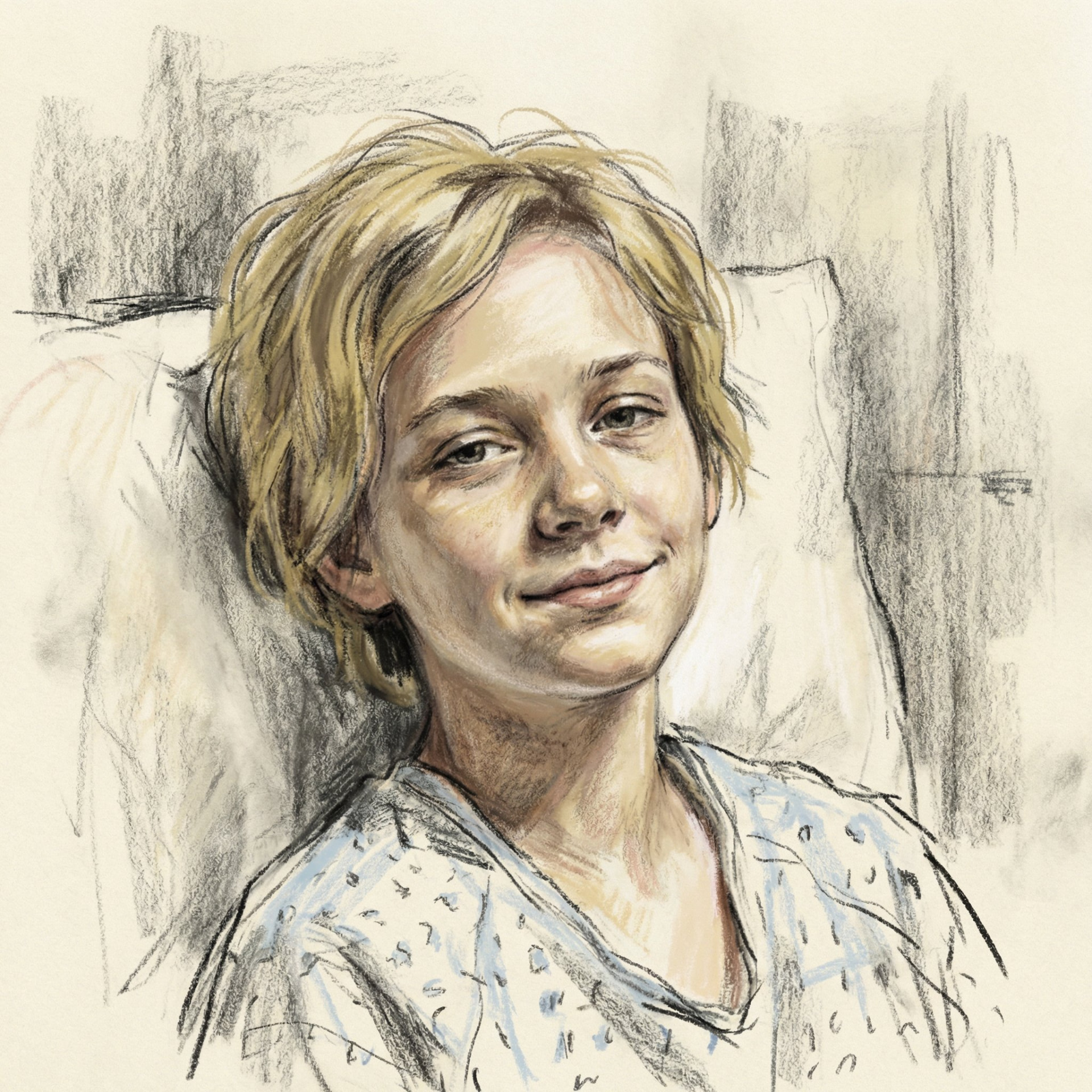
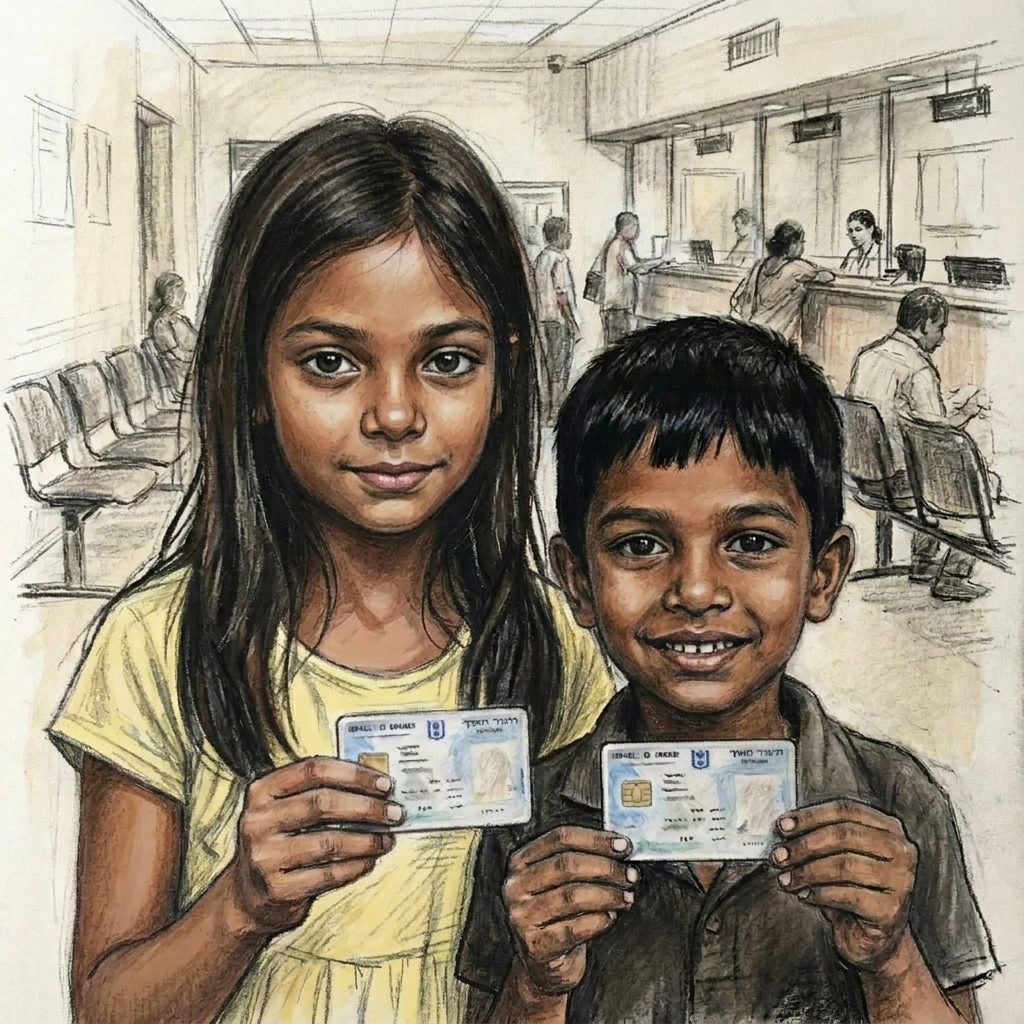
Sasha was so happy I came. He had so many questions about his bank savings, a list of his mother's belongings, property his grandmother in Ukraine might have left him, and his search for his aunt. He loved the acquaintance questionnaire I prepared, even reviewing it carefully to check that I wrote down exactly what he said. He showed me his room and a drawing he made. As he walked me to the boarding school gate, other children asked who I was. A counselor remarked with total tactlessness that I was 'like a mother.' No. This is really not like a mother, I thought. And he probably thought about it too. Even more than I did. But neither of us said a word.
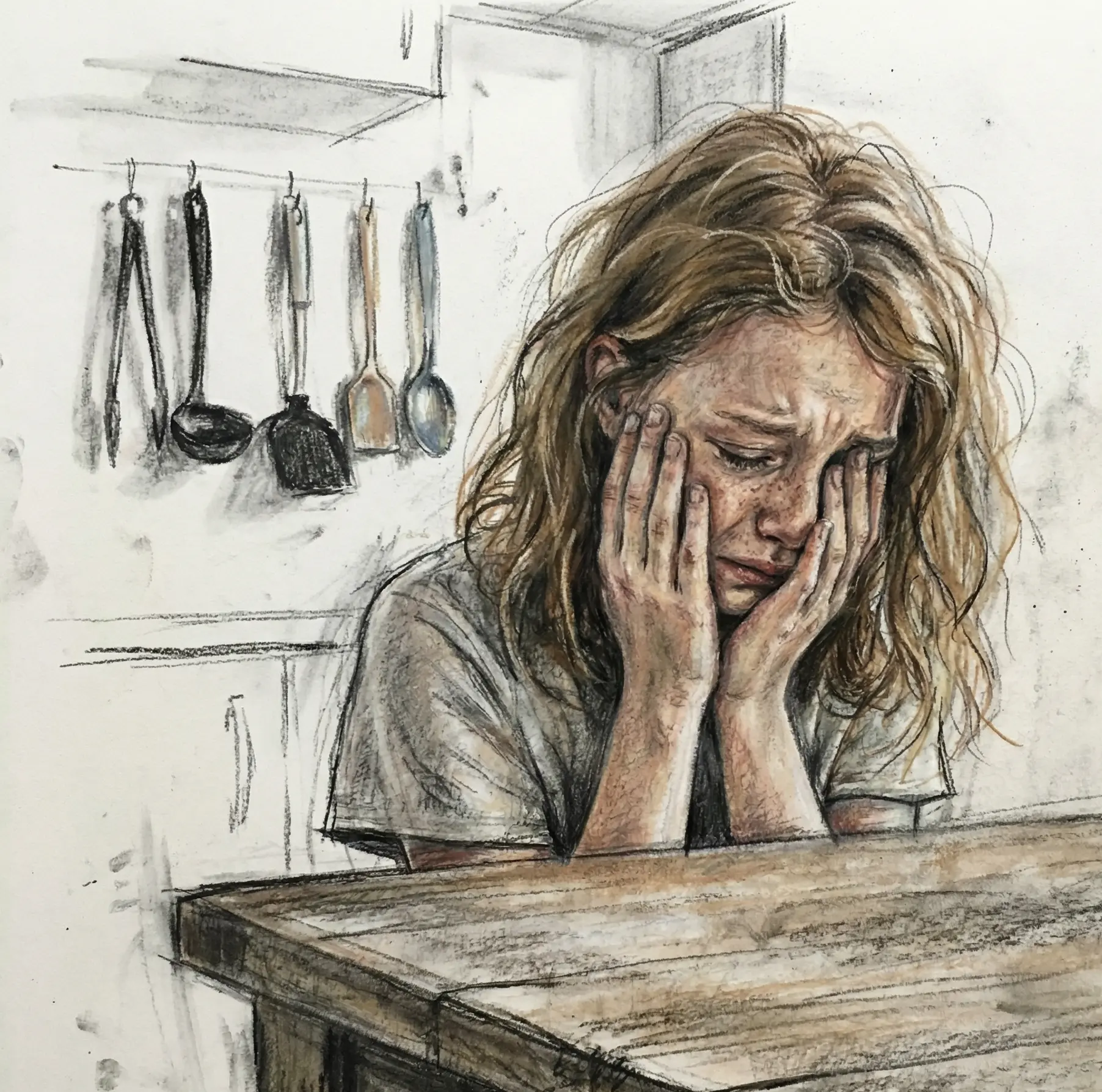
Nor did I tell him that I knew. That when he went home for the Passover break, his mother collapsed during the holiday, that he was the one who called the ambulance, and that after prolonged resuscitation she was hospitalized in intensive care, medically comatose and ventilated; that the next day he was sent back to the boarding school, and from there he arrived at her funeral. Nor did he tell me that he knew I knew.
He knows adults exchange information and children's secrets among themselves. Perhaps it makes things easier for him - not having to recount it all. Perhaps it makes things easier for me to believe it eases his burden. Many months later, when we visited his mother's grave, Sasha confided in me: 'I grieve more for my grandmother who died than for my mother.' Perhaps because his grandmother took care of him, while he was the one who took care of his mother.
Meanwhile, a dispute unfolded regarding his educational placement. The school counselor and homeroom teacher recommended transferring him to a special education school with small classes. Sasha wanted to stay in his current school. He had endured too many upheavals over the past year. He just found it a little hard to admit that things were hard. A first committee hearing was held without inviting me, without them knowing anything about his background. Sasha was there, but he didn't enter the room and didn't speak.
I demanded a second hearing. I explained to Sasha how crucial it was for him to attend, to speak up, to acknowledge the difficulties, and to express his willingness to receive help. The night before the committee, I came down with a terrible stomach virus. Not even an IV drip helped. There was no way I could be there in person. I arranged to be joined via conference call. Gathering my strength to speak, I argued that all options for integration and support had yet to be exhausted, and that according to the psycho-educational evaluation, there was no justification for special education placement. I asked them to allow Sasha to speak, to truly listen to him.
Half an hour later, Sasha called me. 'I spoke! And they decided to keep me in mainstream education!' The committee coordinator told me later that Sasha hugged her for joy.
Then the real work began. I found Sasha a tutor for remedial instruction. When she asked him what he needed help with, he answered immediately, without shame: 'With reading and writing.' When she asked what interested him so she could bring fitting reading texts, he replied: 'The sea, soccer, and animals.' A year later, he could read and write about the sea, soccer, and animals.