R.C. (Reconciliation Case) 6122-09-21
In the High Court of Restorative Justice · Dis - v. Comfort
Application for Approval of Reparation Agreement
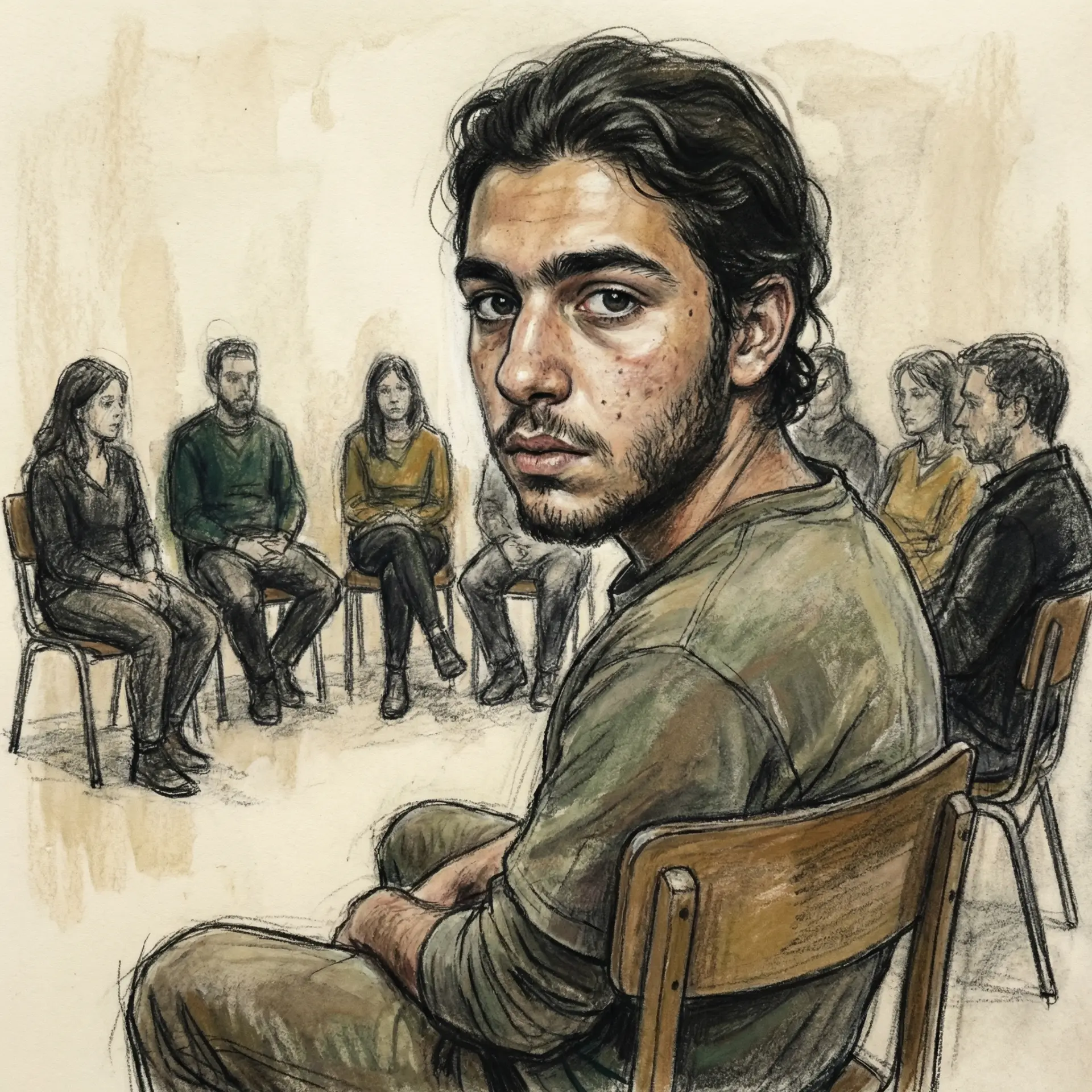
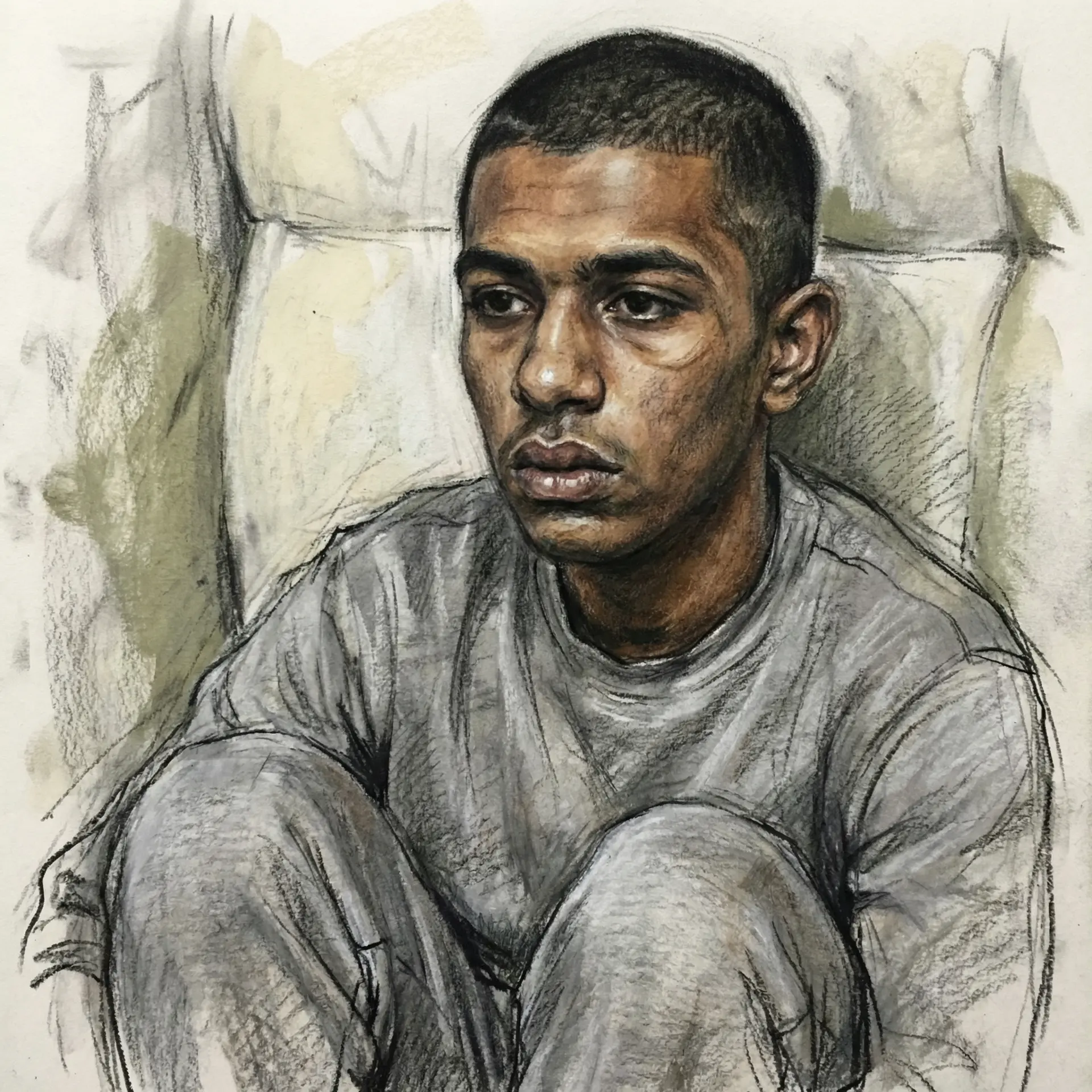
Ronen confessed immediately. He no longer wanted to hide. When arrested, he felt relief - the secret was out, and for the first time in a long time, he didn't have to maintain a double life.
He was an intelligent, sensitive, perceptive youth who understood the mechanisms he operated. The online frauds he committed stemmed not merely from cold sophistication, but from a dangerous mix of loneliness, a need for recognition, and a momentary sense of control. Abandoned in childhood and adopted into a complex family dynamic, he never used his past to excuse his actions.
It soon became clear that the criminal proceeding was an invitation to deeper work. Ronen sought to understand how his personal pain translated into harm to others. He entered intensive therapy, slowly dismantling his behavioral patterns - a daily, painstaking, and exposed process.
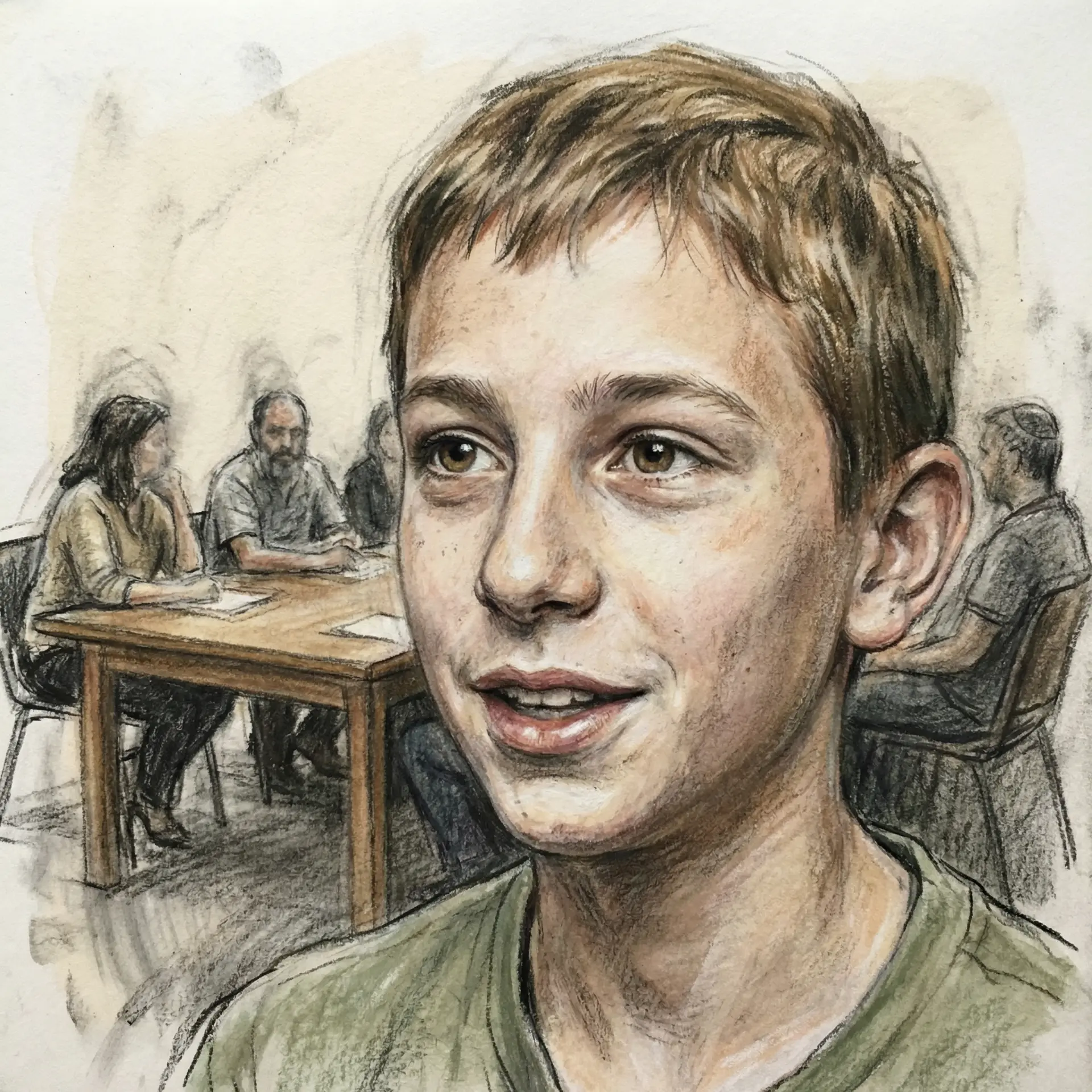
When offered participation in a Family Group Conference - a restorative justice model enabling direct dialogue between offender and victims - he agreed immediately, without any promise of charges being dropped or a lighter sentence. He possessed the readiness to sit face-to-face with those he had harmed.
And he sat. He listened. He apologized. He took full responsibility and committed to restitution. There was something remarkable in his ability to look at himself, at them, at the offense and the harm, and remain standing in the zone of discomfort.
There are rare moments when legal procedure yields to something far older: a simple human encounter where harm receives a face and name, and responsibility finds a voice. Restorative justice models were born in communities gathering under trees to mend fractures. Sometimes it feels that is all we require: the capacity to remain precisely where it is uncomfortable, without running away.