E.B. (Emotional Bankruptcy) 58321-04-15
In the Bureau of Home Eviction
My Sister and I v. Neglect Services
Action for Eviction & Delivery of Possession
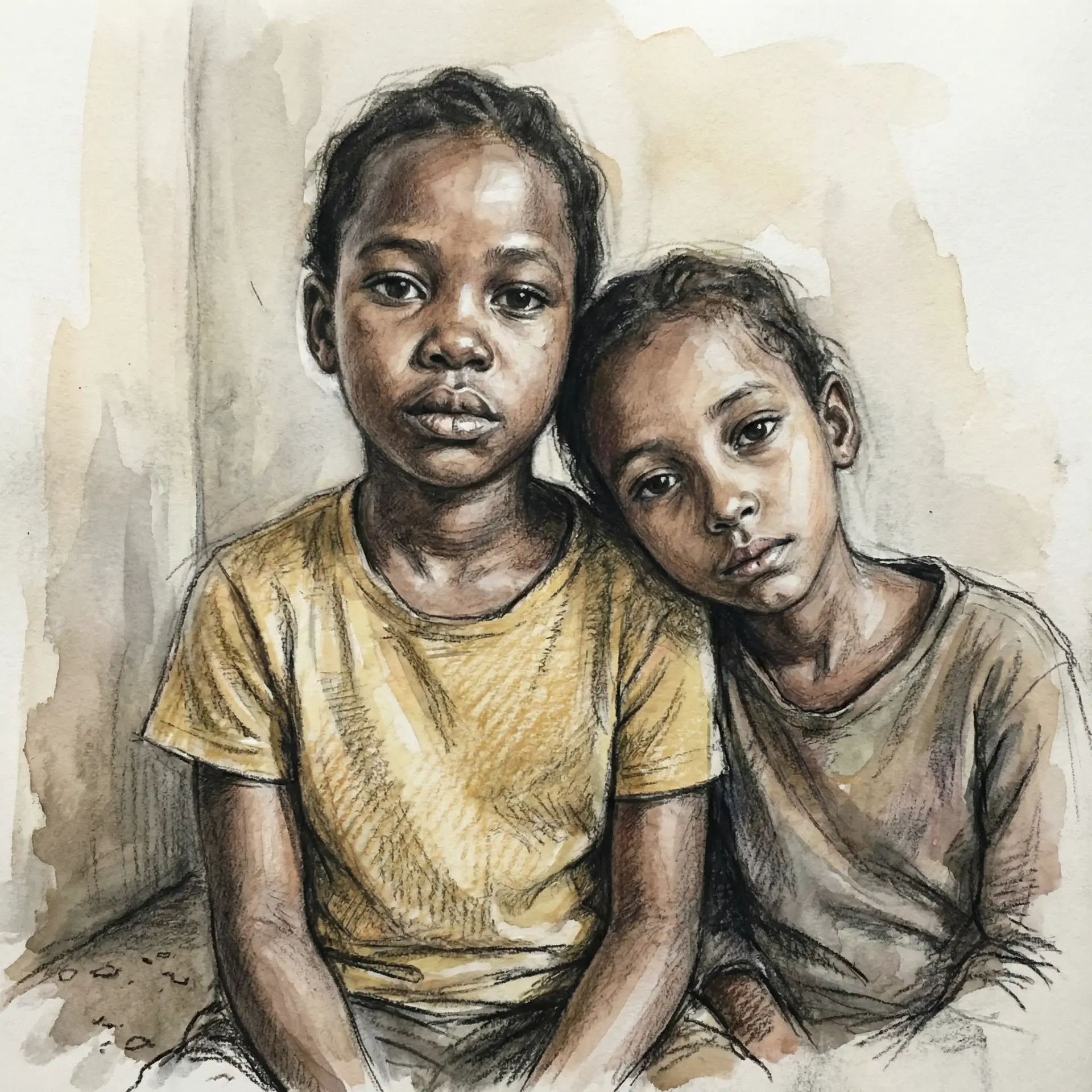
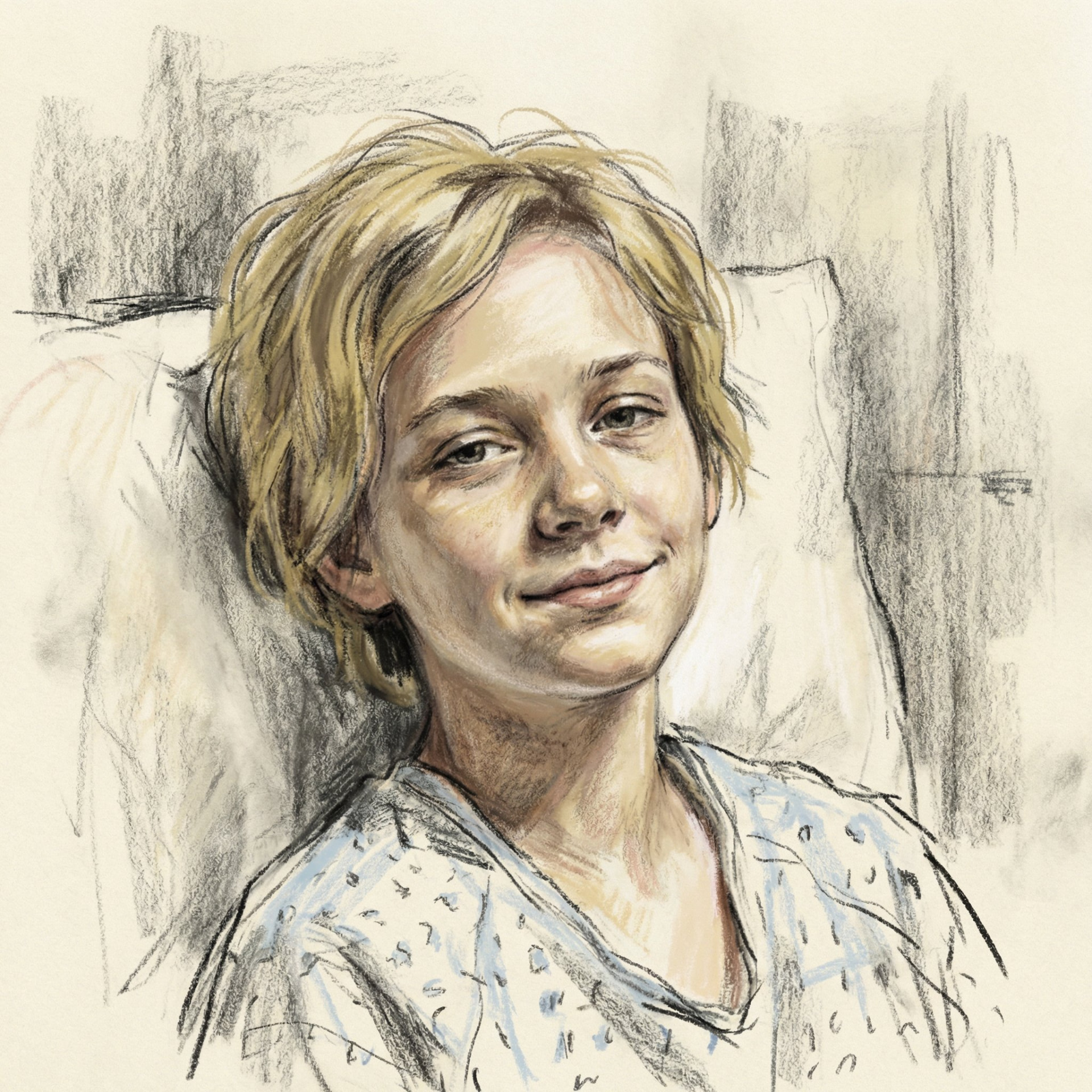
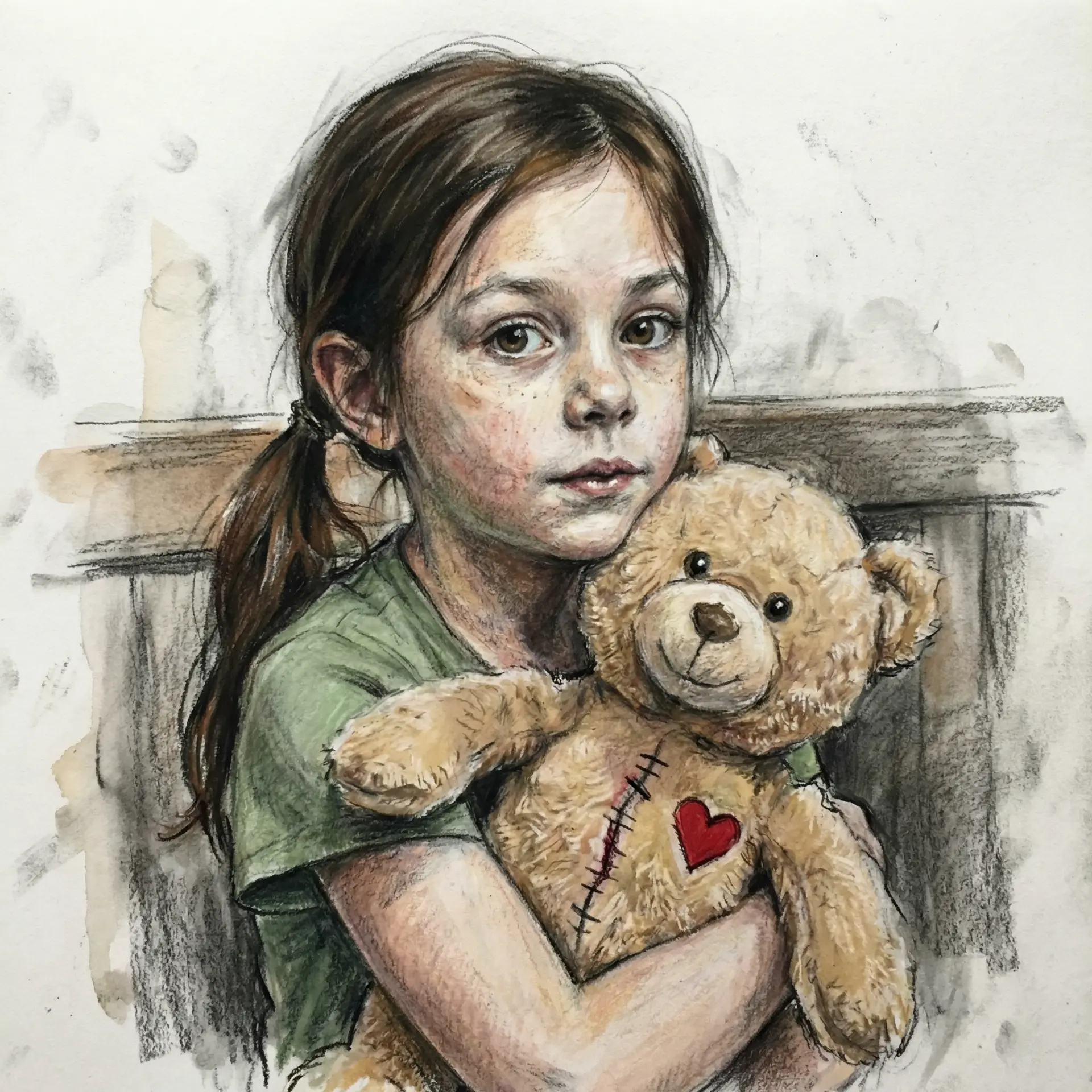
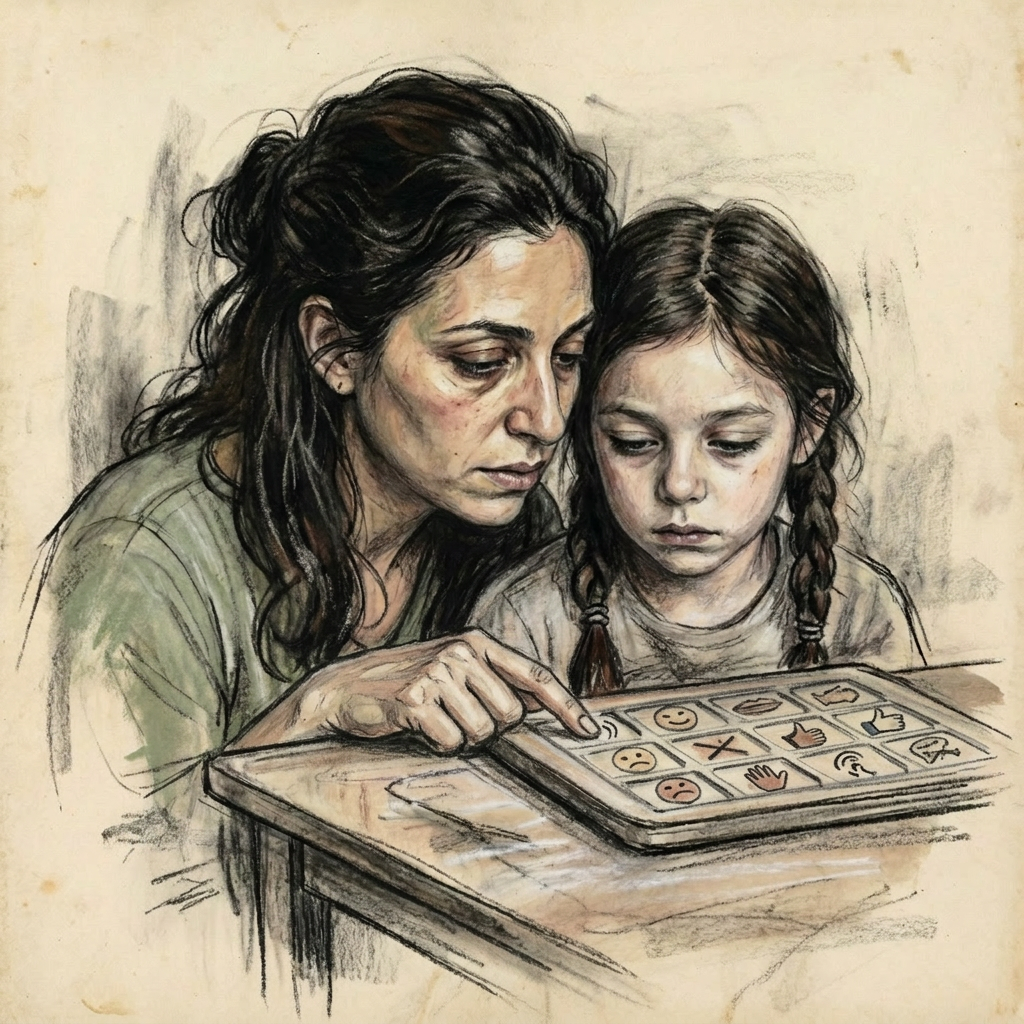
For a year and a half, school staff and a humanitarian organization tried to get someone in authority to act. They reported, warned, and pleaded for help, receiving the same refrain every time: no ID number, no budget, no jurisdiction. Meanwhile, in a small apartment, two young sisters lived alone.
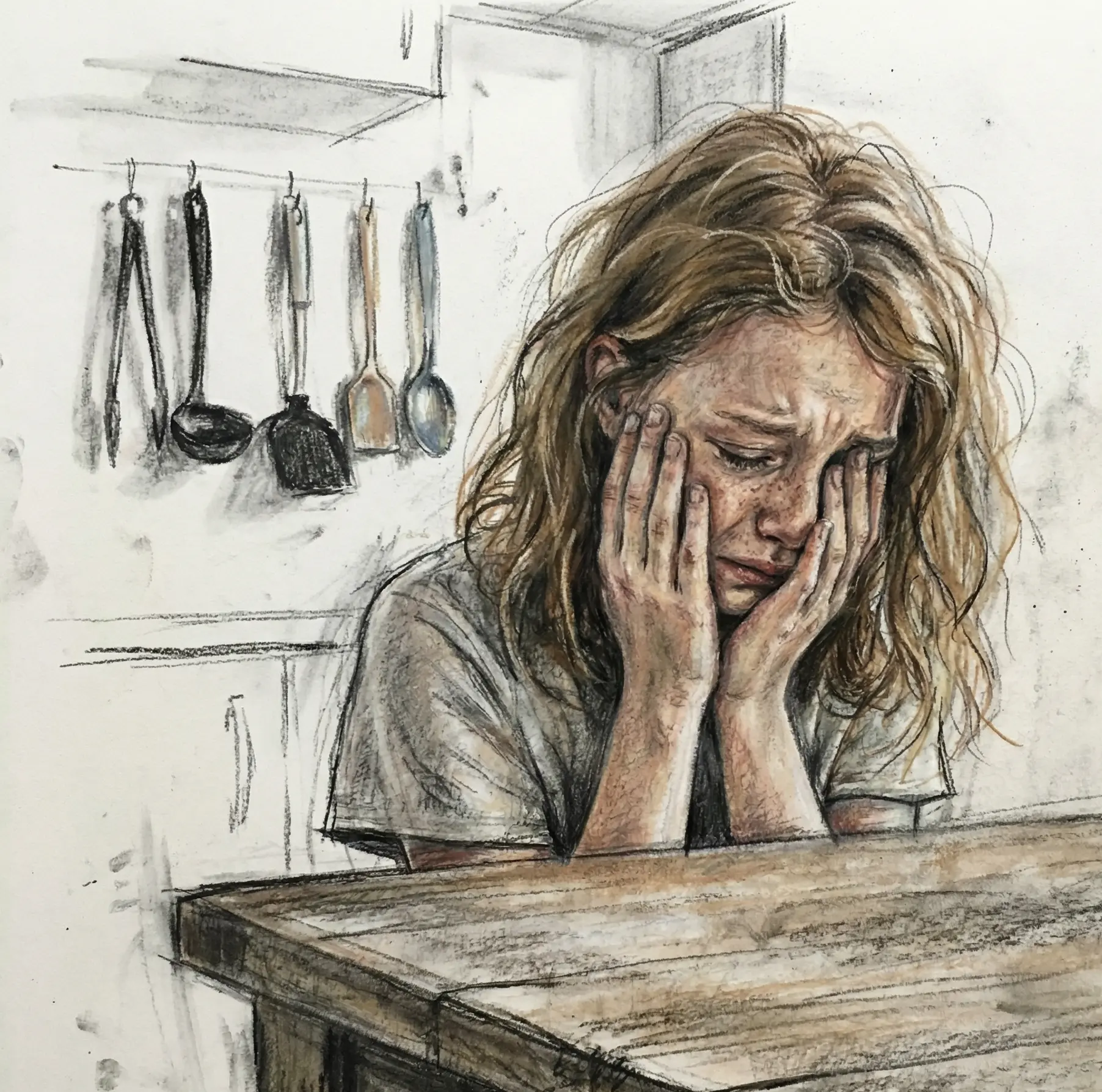
Their father locked them inside for long hours while away, and upon returning, unleashed his rage upon them. A representative from the organization checked on them every few weeks, often communicating through the locked door. On one visit, finding the door unlocked, she discovered both girls bruised, weeping, and huddled in a corner - their father had severely beaten them minutes earlier, leaving red marks across their bodies.
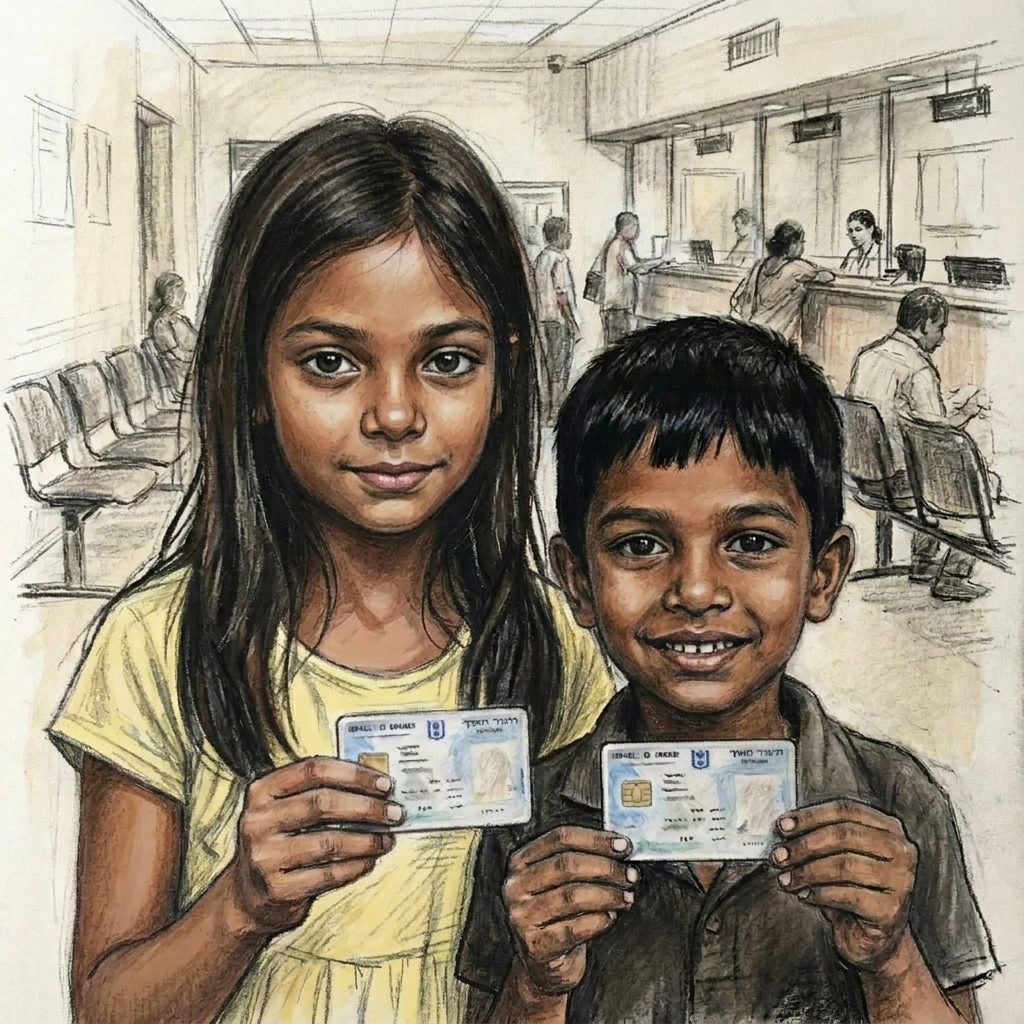
Yet even this was not enough. For social services, Shandy and Kala were 'refugees' before they were children. In those days, legal status trumped age, even though the law recognizes no category of 'child, but less'. When immigration laws collided with child protection, the system chose the narrowest interpretation. It took time for authorities to internalize that international conventions and domestic law mandate the protection of every minor present, regardless of passport.
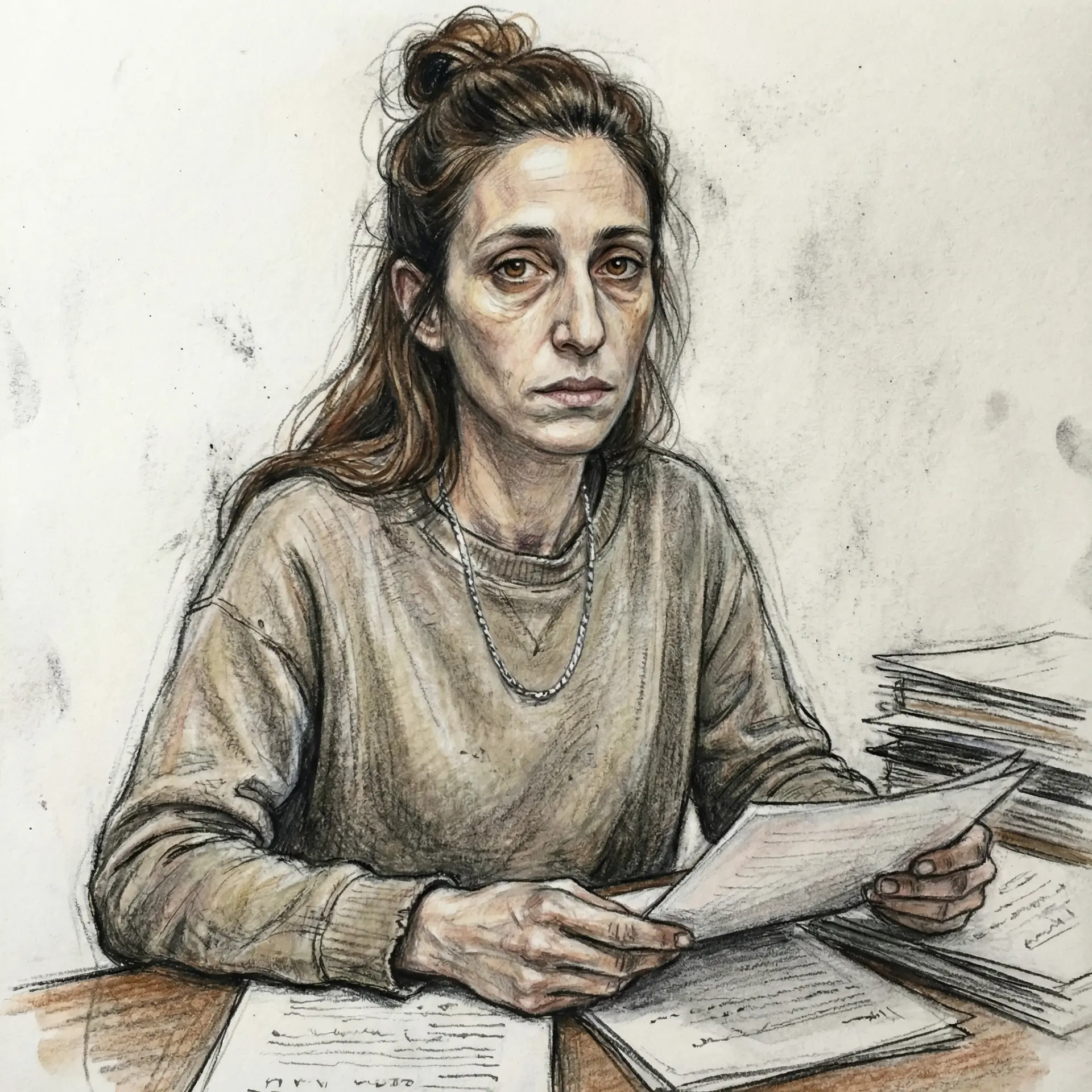
We exerted pressure - letters, notices, final warnings. Often, practicing community law feels like applying moderate pressure to push in the right direction, reminding the state of its obligations. I thought about how public authorities carry a duty to reason, yet frequently require others to articulate why they must perform their duties.
Ultimately, these two young girls - who had gone far too long without an adult to protect them - were formally declared minors in need and transferred to caring hands, as common sense and human compassion had long demanded.