M.A. (Mental Agony) 28413-07-21
In the Tribunal of Callousness
The Blot of Erased Blots v. The State of Afterthoughts
Appeal Against Double-Dealing Jeopardy
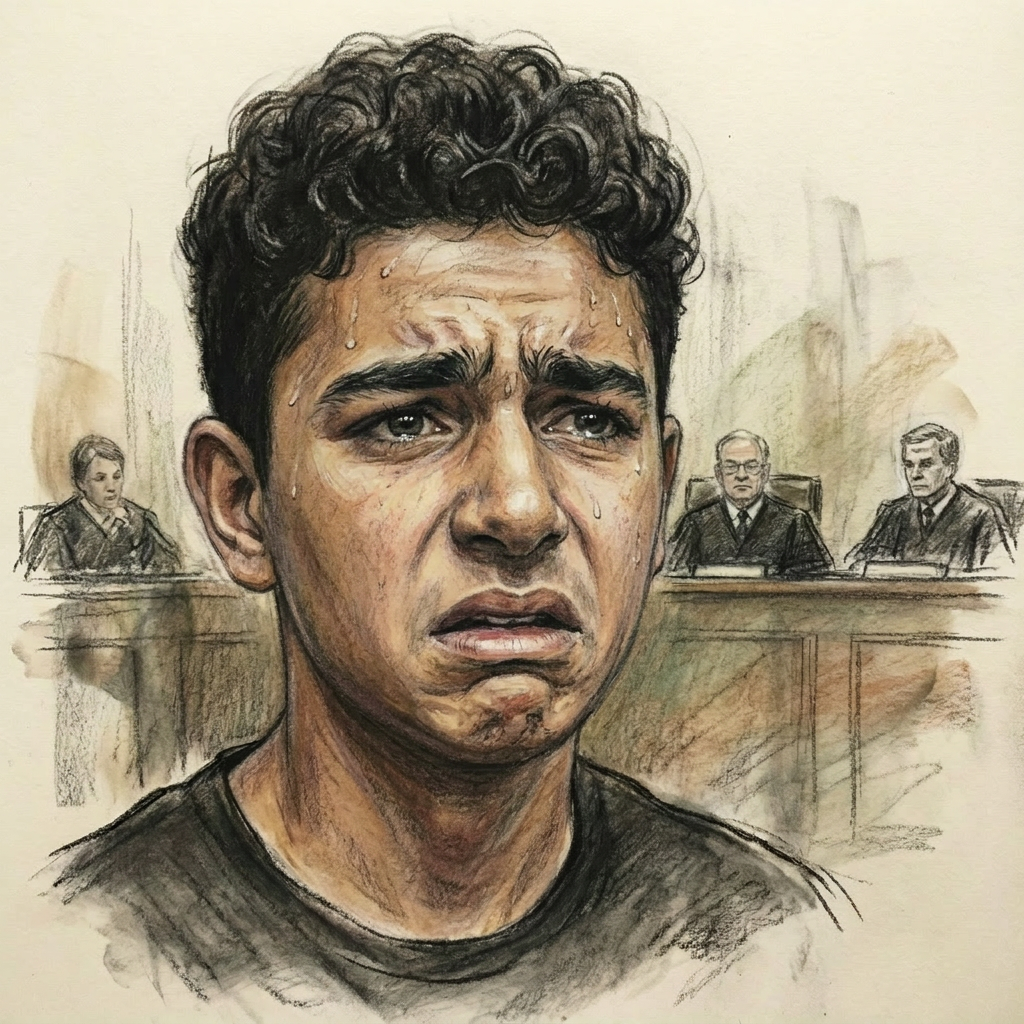
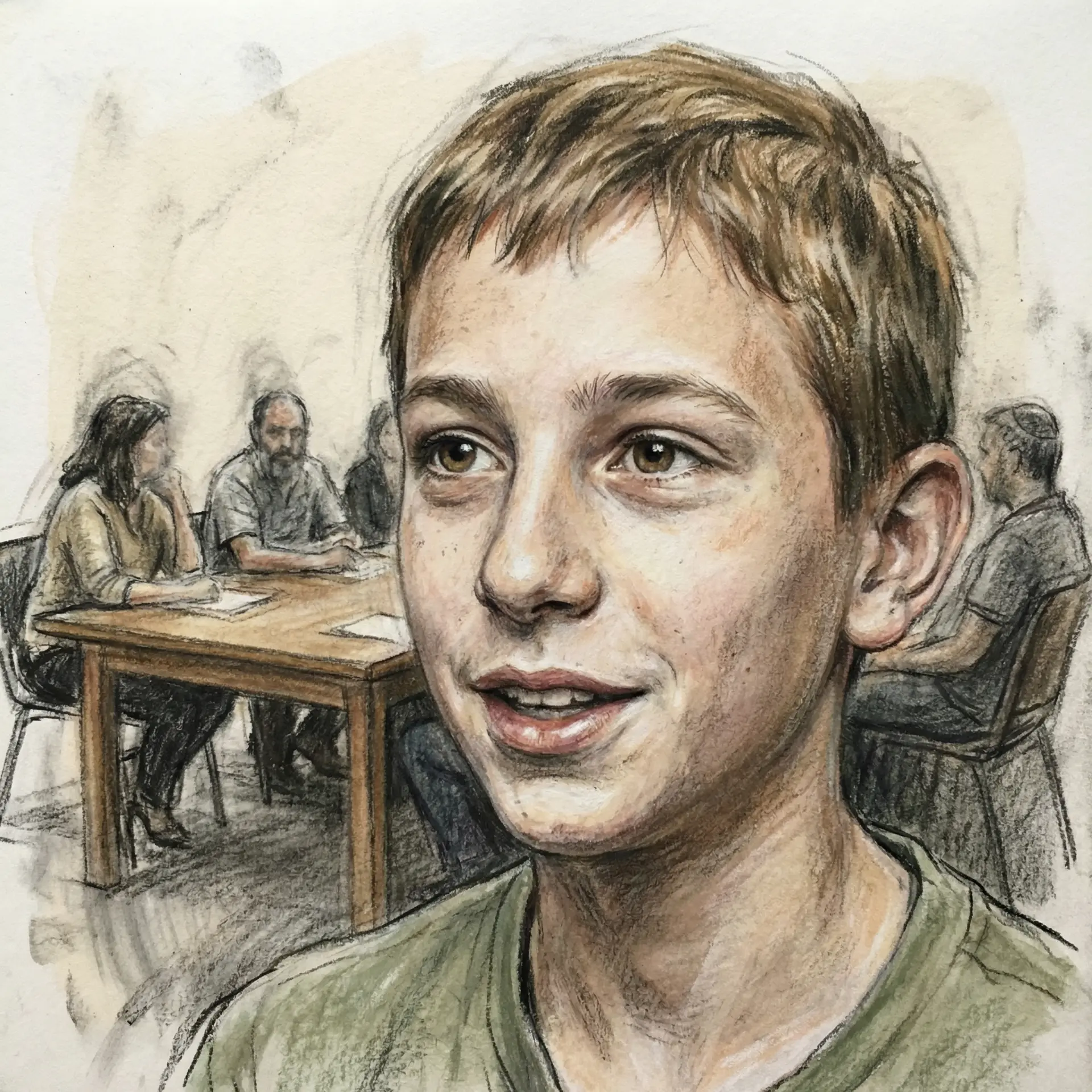
I have met many youths whose anger spoke for them - tense bodies and overwhelmed nervous systems. The more discipline demanded of them, the more control they lost. All their inner confusion spilled outward in acts impossible to ignore. Undoubtedly, it is easier for the legal system to identify offenses than offenders and their underlying distress. Thus, in an instant, context vanishes, language shrinks, and the entire story compresses into an indictment. They become defendants rather than children.
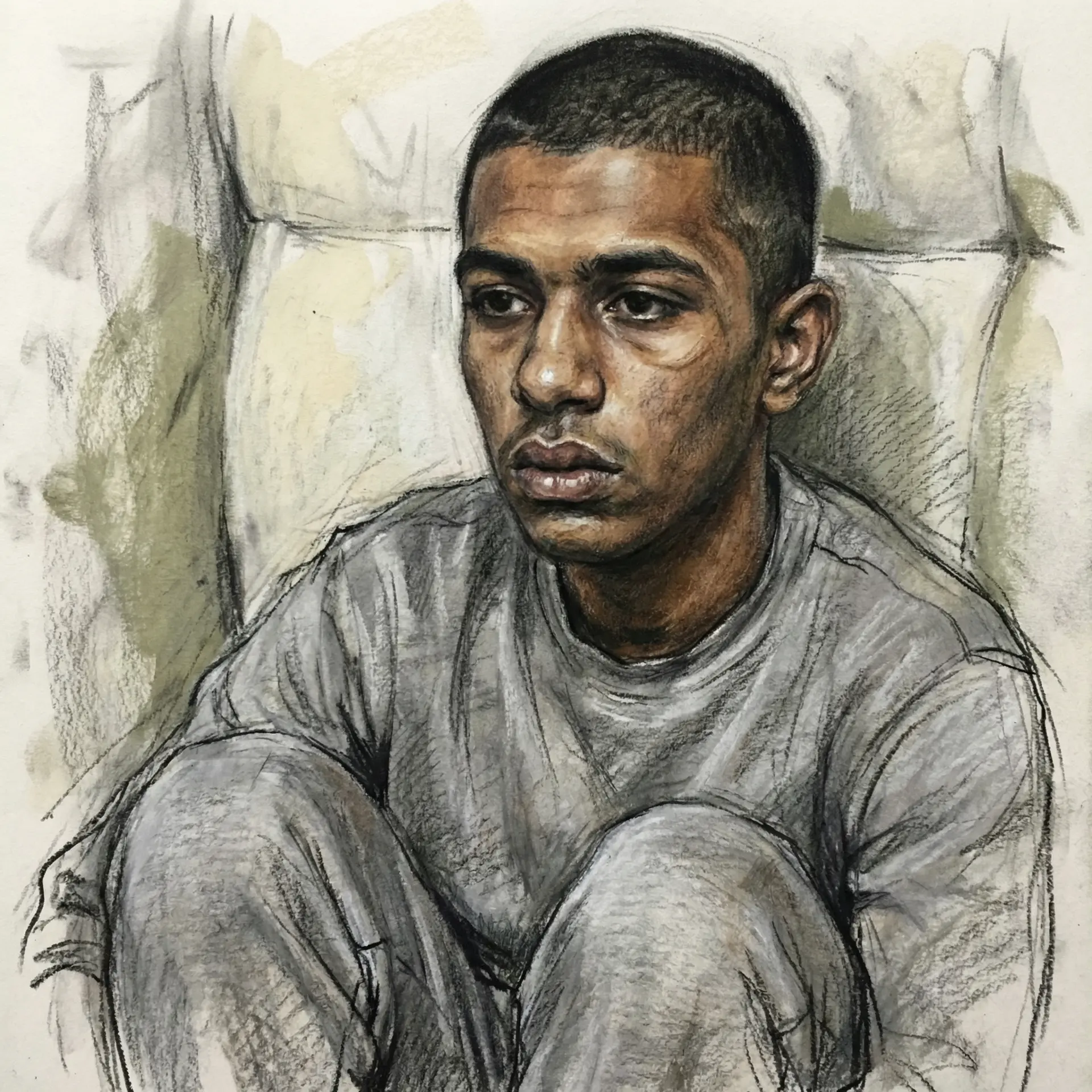
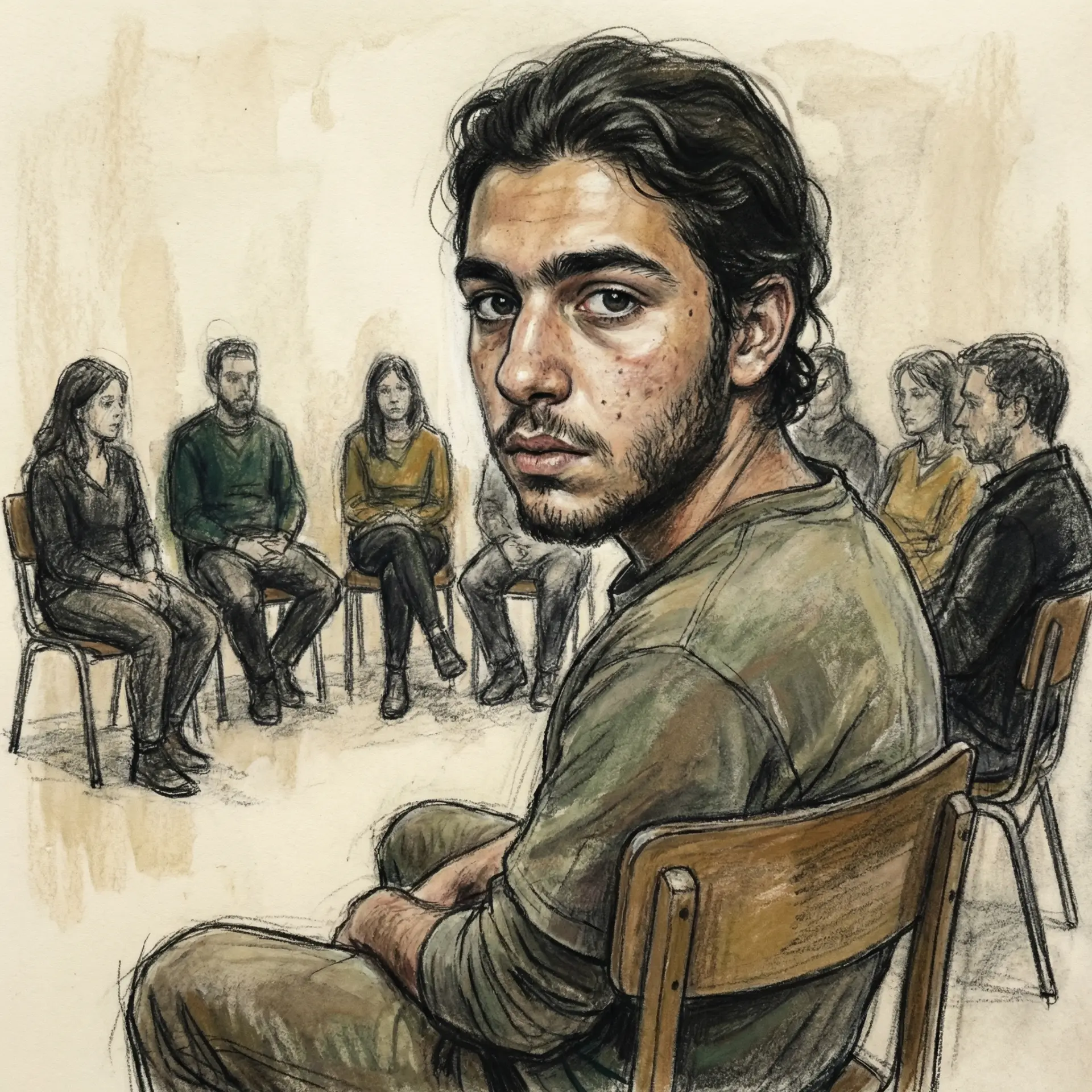
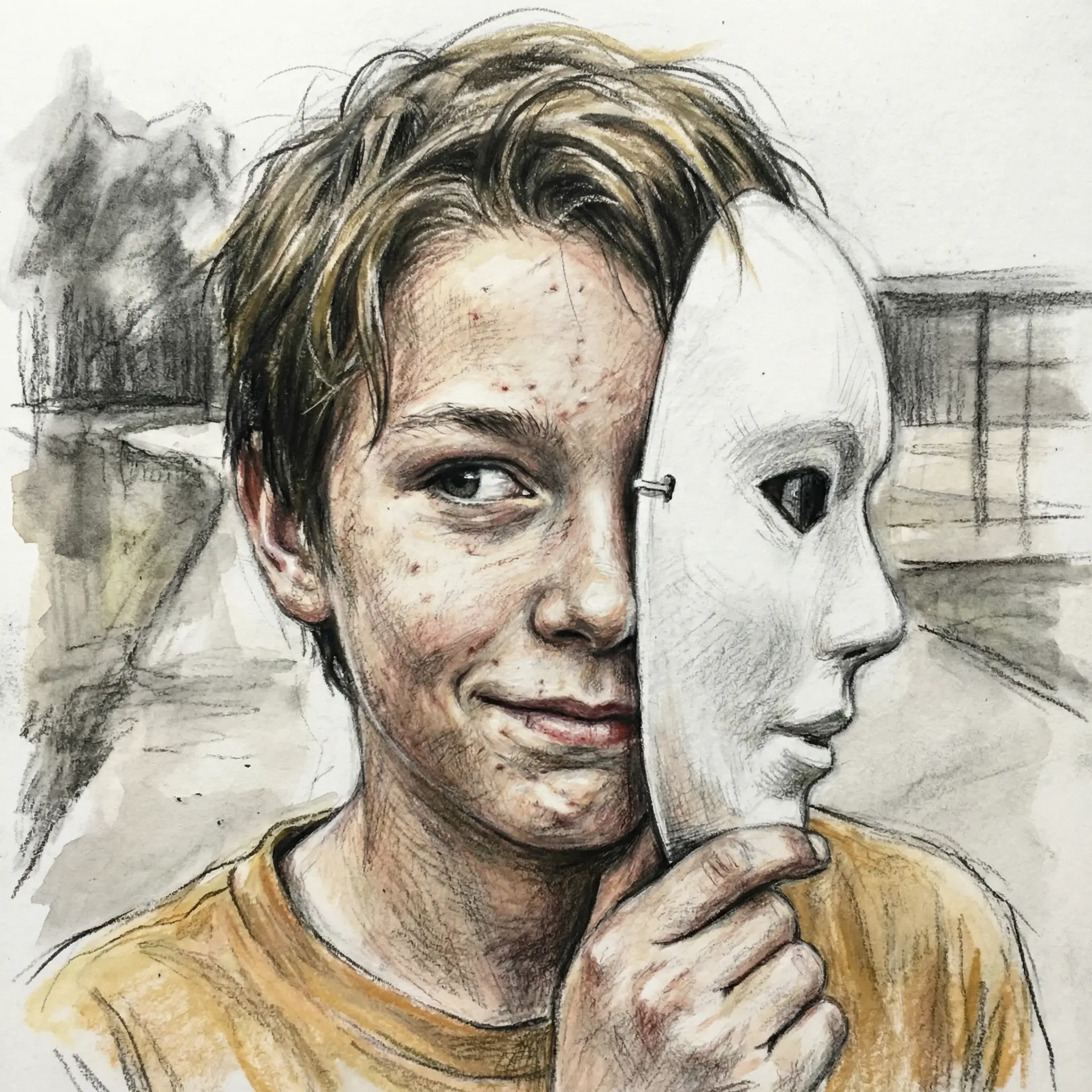
Avraham was a convicted defendant. But before that, he was a borderline youth, trapped within himself, bearing invisible scars, communication difficulties, emotional dysregulation, and outbursts of rage born of sheer helplessness. A child in deep distress who couldn't read his environment and didn't know how to express himself.
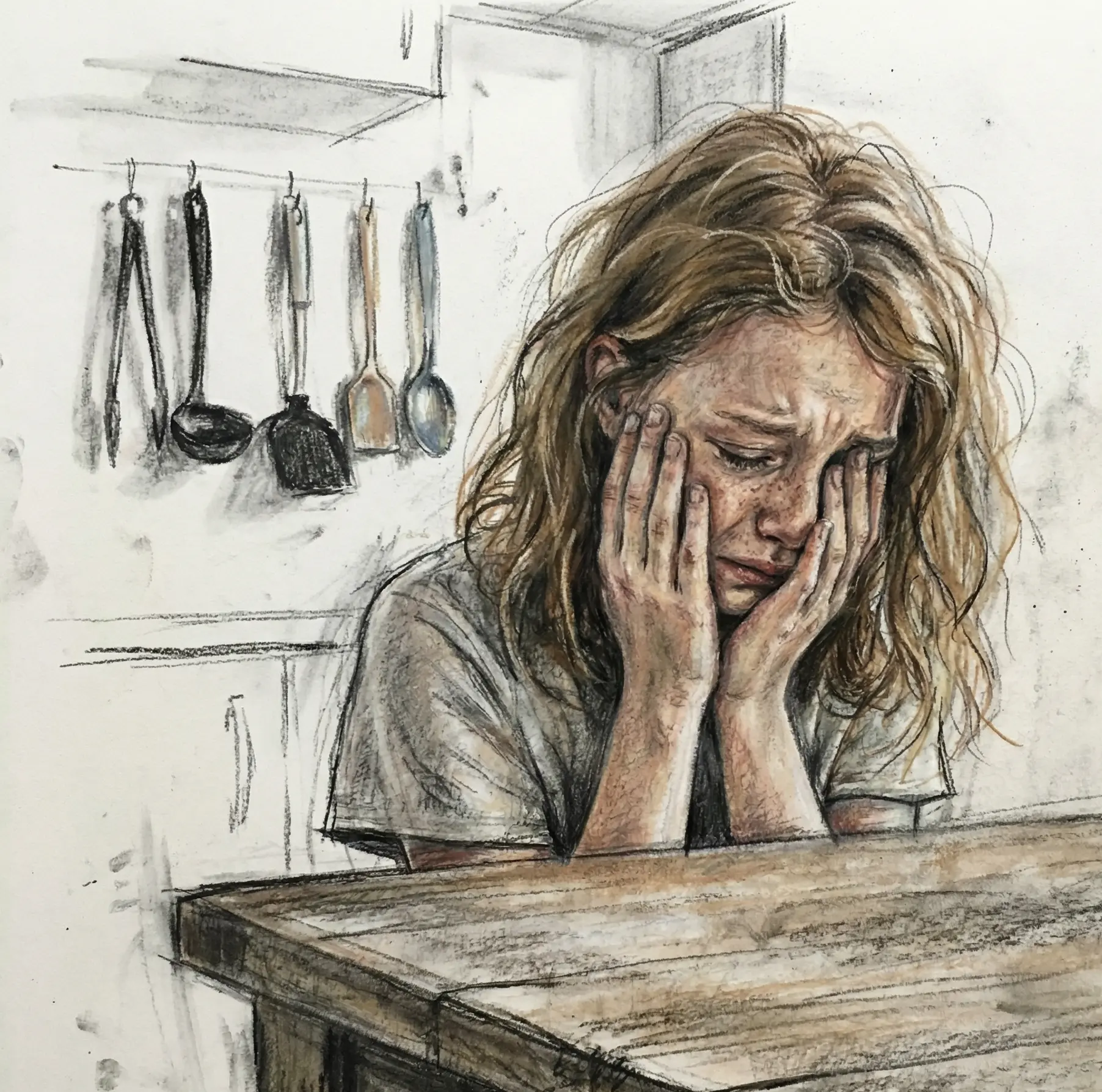
He came to me carrying a double burden of injustice. Not only was he prosecuted for actions stemming from a complex crisis, but he also fell victim to systemic rigidity. Indictments from prior incidents had previously been consolidated in a 'clean slate' resolution. For him, that was supposed to be the end. Then, suddenly, just as he began to stabilize, the prosecution remembered a single file mistakenly left out of the original consolidation. Another indictment was filed, and Avraham was convicted and sentenced to prison. It broke him. He could not comprehend why he was being prosecuted and punished all over again for matters long settled.
We appealed to the District Court, while simultaneously searching for a rehabilitative placement. Avraham needed a therapeutic framework, but virtually none existed for his specific condition. Even when suitable facilities were identified, every attempt at placement ran into long waiting lists and systemic shortages.
In court, while the judges leaned toward community service, the prosecutor continued to accuse him, describing him as a public danger and demanding prison or custodial labor. Avraham stood there, listening, until everything exploded. He shouted, cursed the three judges, and stormed out of the courtroom. I could feel his helplessness - and my own. I felt angry at the prosecutor's callousness and asked the judges for a few minutes to step outside and speak with him.
We returned. I tried to explain to the judges what Avraham could not put into words. To their credit, they saw what I saw. Rather than punishing him for his outburst, they recognized a hurting child whose coping mechanisms had collapsed. They vacated the active prison sentence and ordered community service hours instead. It was a rare moment of humanity - a deep sigh of relief. For a few moments, Avraham was allowed to be a youth again, not merely a defendant.