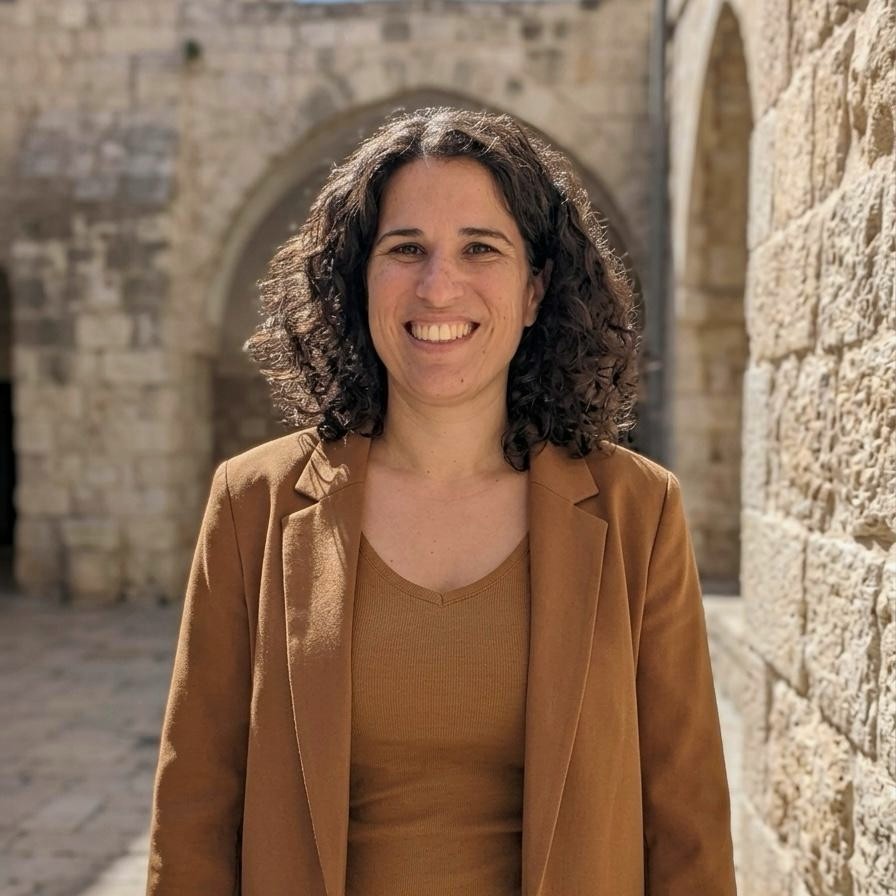
Naamah
Fund Manager
"When people take responsibility for their lives, they reach a different place and pass it forward."
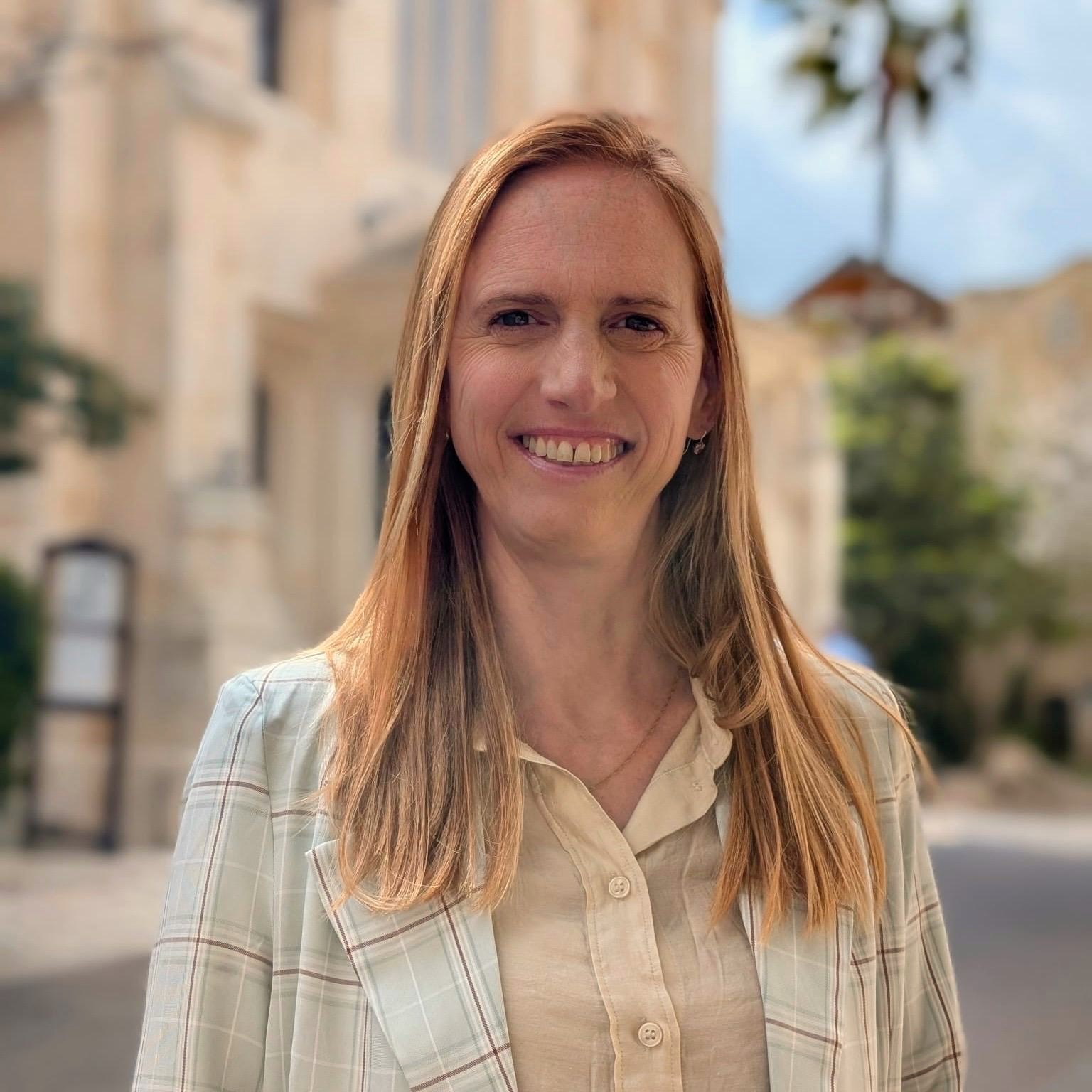
Even as a child, Naamah saw the world like a giant canvas. She was good at seeing things others missed: outlines, facial features, games of light and darkness. In the small community in the Upper Galilee where she grew up, on the Israel-Lebanon border, she wove creativity, nature, and freedom into a fertile ground of enrichment activities for anyone who wanted.
Later she studied art and special education. Her art was not just painting, but a way of life. As she learned from a teacher who told her: 'Just as you paint, so you cook, and so you arrange the house.' Naamah speaks in colors, draws diagrams, and touches people like a paintbrush on silk cloth.
In her social work over the years, she led youth and student groups, organized conferences and gatherings, like someone connecting dots: seeing potential, pulling a thread, and drawing connections that have a life of their own. Later she added professional tools, studied personal coaching and career counseling out of a desire to touch a person through their horizons as well.
"For me, art is the ability to touch another human being."
Horizons are especially important to her, because she knows very well how it feels when someone narrows them for you. How it feels when the walls of the home close in, and when words wound no less than actions. She knows what moment it is when a woman asks herself if her life is worth living, and what moment it is when she decides that yes. And this experience, painful and deep, became a compass for Naama.
When she started working and developing the assistance fund and supporting the establishment of the Peles Center, she walked around a historical compound whose walls had absorbed decades of activity. She felt she was entering a story spanning beyond time, that did not start and would not end with her. Among the antiquities of Jerusalem, with its many layers, charged dynamics, and prominent rifts, Naamah leads activity, teams, dreams.
"I sometimes receive thanks from social workers who refer Arab, Jewish, religious, Muslim women to us, all kinds, and hearing the feedback from them warms the heart."
In the framework of interdisciplinary assistance, she knows that a person's process is a winding journey full of intersections and stops. She reminds herself and those around her: "We are only a stage in their journey." And every milestone in others' journeys is kept in her heart like a roadmap. There was a guy who came often - tall, thin, dressed in rags, with wild hair and eyes that had seen far too much. PTSD from military service. Meetings with him were chaotic: fast speech, jumping from topic to topic, sometimes shouting, outbursts. Naamah learned to let him be. To give him a cup of coffee. To listen to him. To speak to him eye-to-eye. One day, after a long period when he didn't come, he came looking for her. She couldn't believe her eyes. He arrived clean, quiet, neat, just for one thing: to say thank you. Thank you for being there and not giving up on him even when he had already given up.
"It's not just the practical help, it's also way beyond. The presence. Looking at the person eye-to-eye, giving them the feeling that they are a human being, albeit with difficulties, but possessing capacity."
That's Naama. A thin thread of grace that holds people who aren't sure they are worthy of help. In a world that rushes to judge, she slowed down. In a world that rushes to give up, she paints - possibilities. Like that elderly woman without status, without a legal option to work, without a supportive community, who reached out to her during COVID-19. Naamah started from the most basic thing: food. Then she found a volunteer who could support her. Then came the contact with welfare. Later even work online... And then the unexpected happened: that same woman who arrived lacking strength, rights, and horizon - started sending donations, symbolic amounts, but full of meaning. Tokens of gratitude. Another woman, quiet and hesitant, came and revealed: an abusive relationship. Naamah walked with her step by step. Sometimes forward, sometimes backward, but after three years the woman is rehabilitated, functioning, requesting: "If someone comes to you in the situation I was in... tell her she can talk to me."
After all, for Naama, there aren't those who give and those who receive. We are all both. And sometimes, specifically the person who reached rock bottom is the one who understands best how to extend a hand. And when Naamah extends her hand, she immediately notices the outlines of the solution and the facial features of change. She rests in the knowledge that an impressive masterpiece requires touches of light in the shadow, and that true art is created - between them.
"Sometimes within the work, you don't notice how meaningful and life-changing the work is, but when you do notice - it is very encouraging."
“This is our mission - to demonstrate love in all that we do, even in our responses, facial expressions, and spoken words.”
“Shared giving - a Jewish woman and an Arab woman doing this together... I have no words for how profound the impact is.”
“I am grateful for the opportunity to understand difference and create something new together.”
“We carry responsibility for the place where we live.”
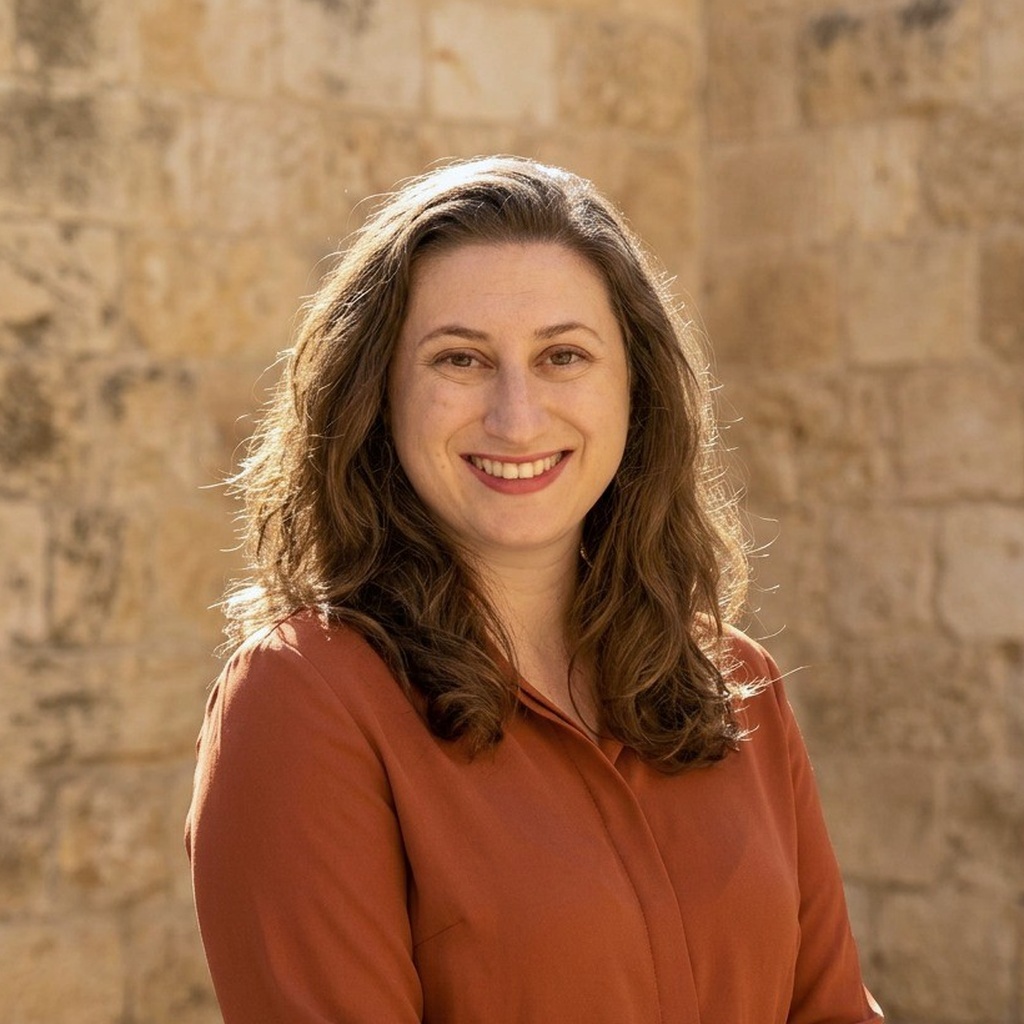
“Every single day reveals how two languages and two cultures collaborate, coming together with one heart to give.”
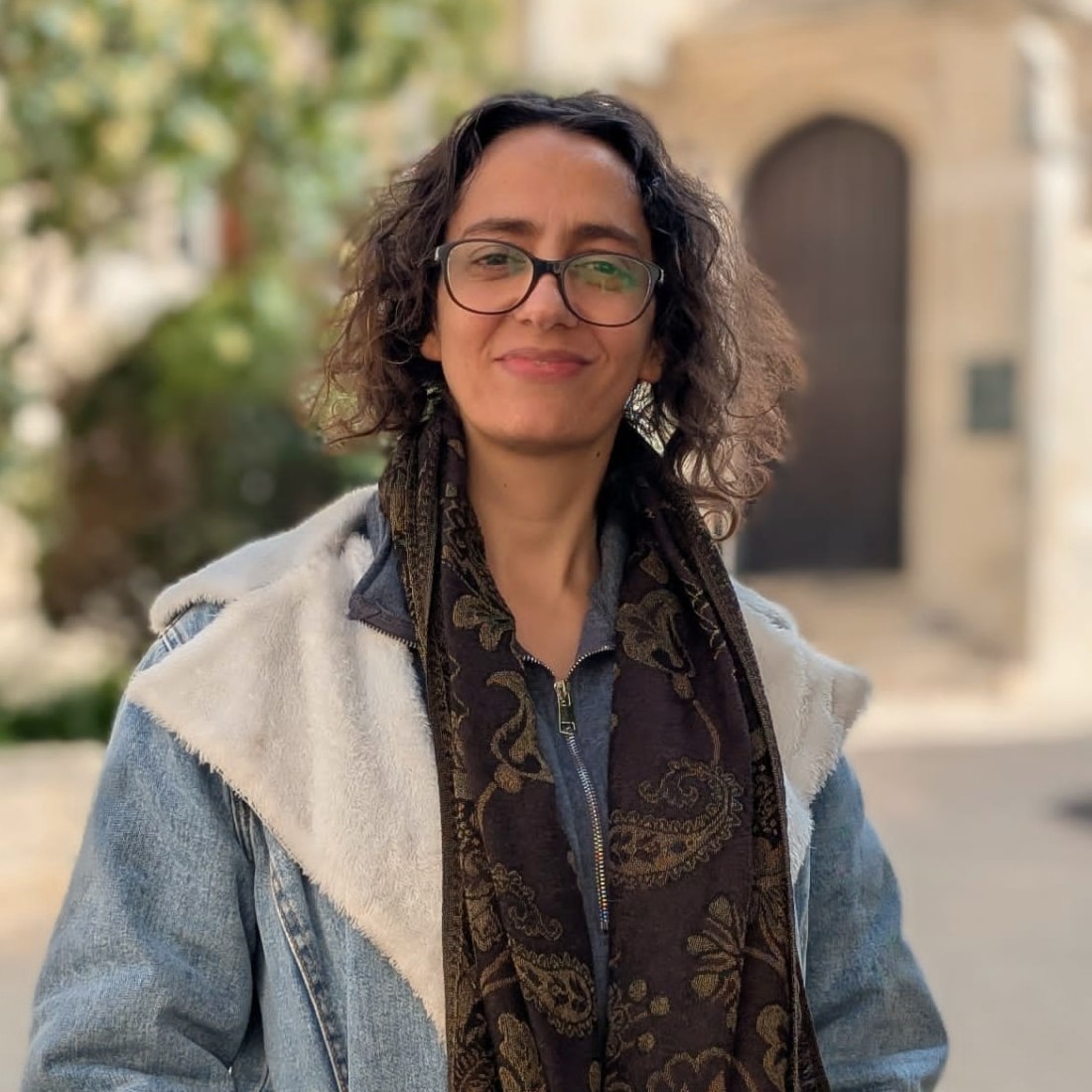
“In every encounter, we think together how to help. It doesn't matter - Jewish, Arab, it doesn't matter.”
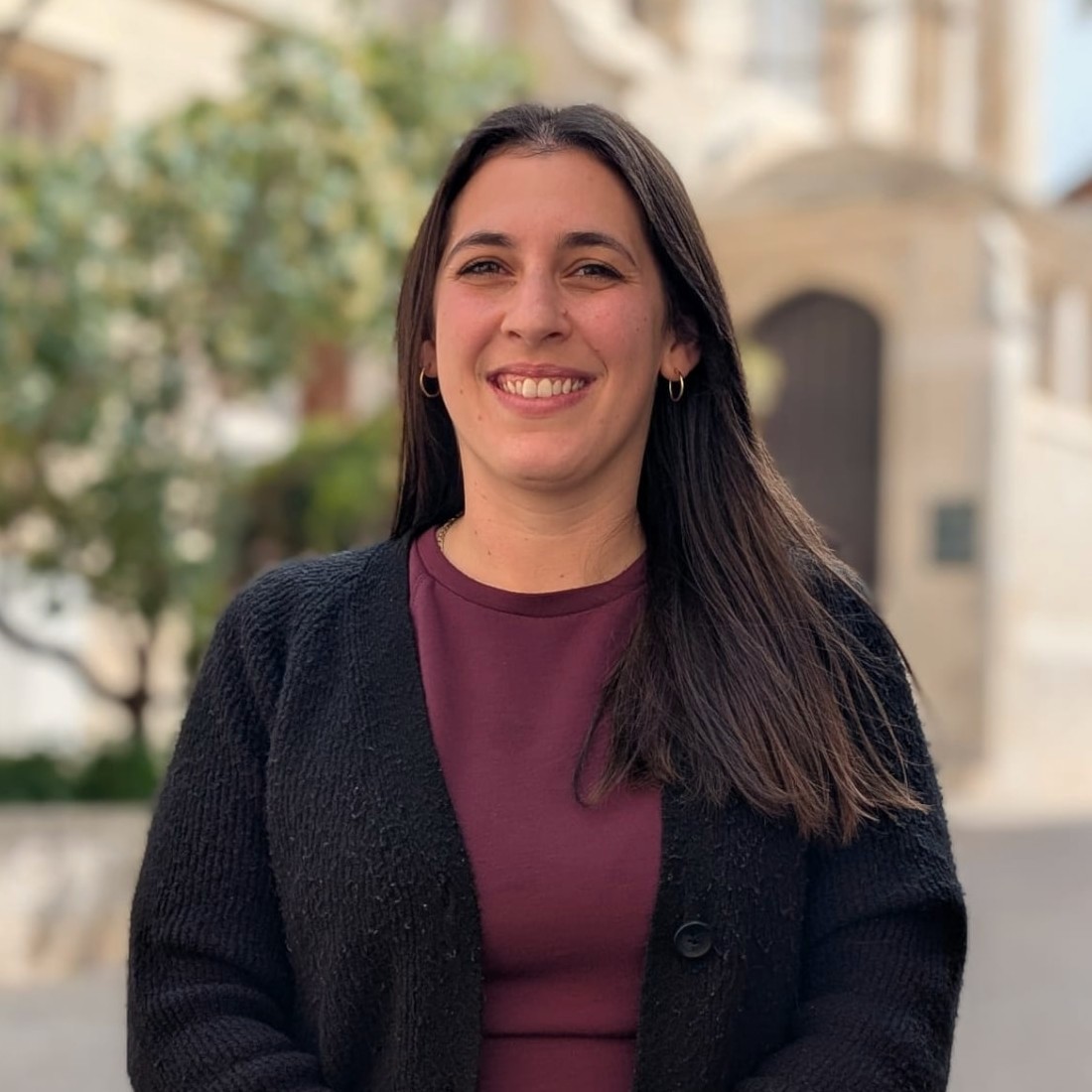 Moriel
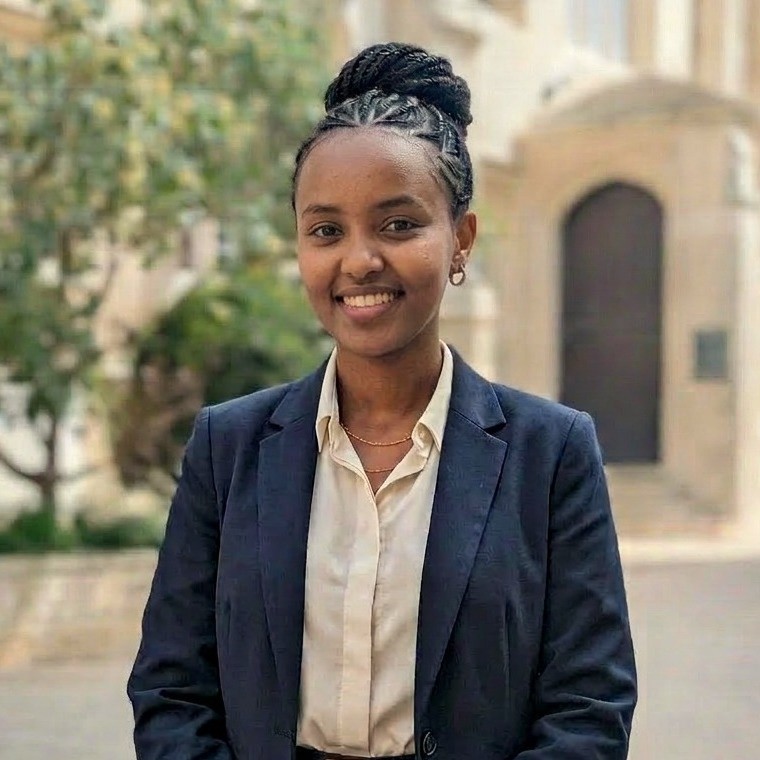
“It is possible to be different and still help and support each other, together with one another.”
“Multidimensional care from a diverse team - isn't that moving?”