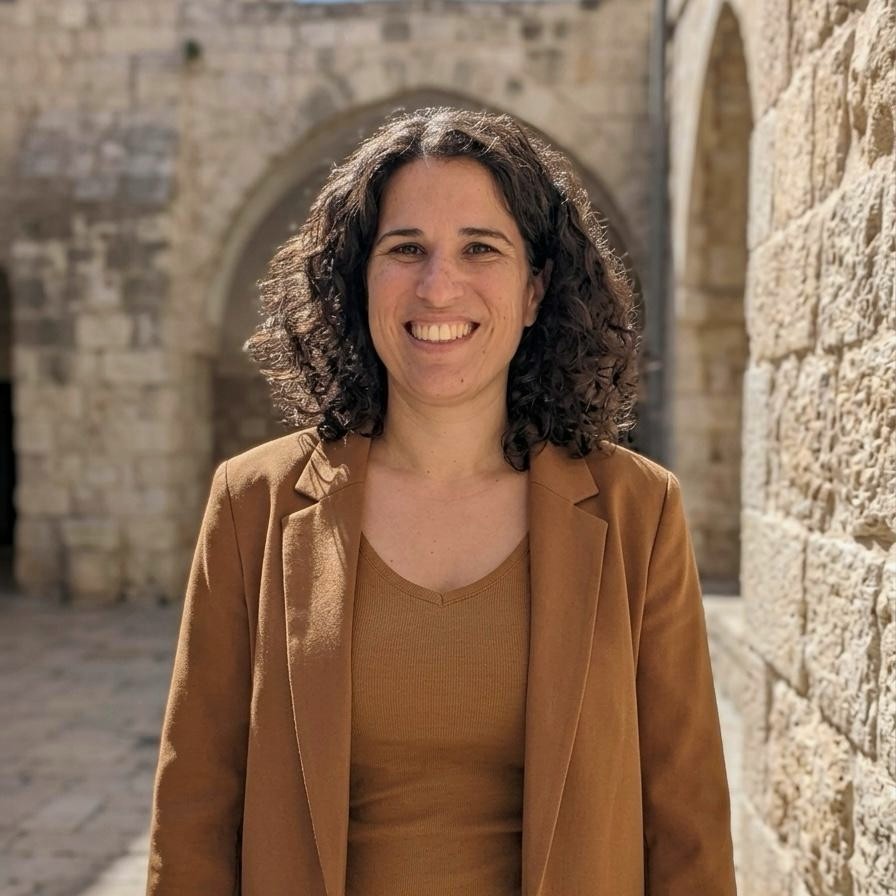
Hila
Intake & Administration Coordinator
"If a person leaves feeling seen, then as far as I'm concerned, we've done our job."
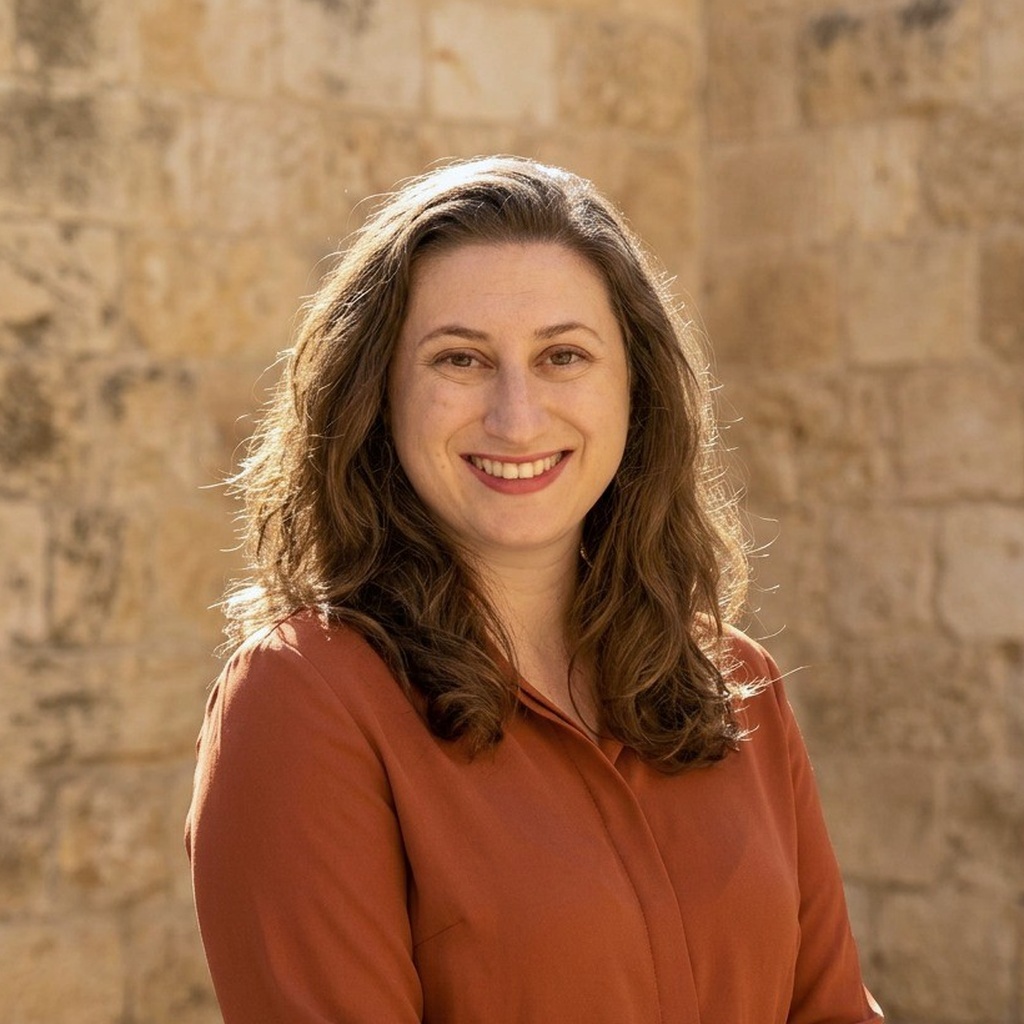
Hila's story began long before she was born. Her father, a young man from Boston in his twenties, woke up one day, sold his few belongings, left everything behind, and crossed continents following a faith that led him to Israel. In Israel, he met a native Israeli woman, the daughter of Holocaust survivor parents, who carried with her a legacy of memory and heroism.
She was twelve years old when the family moved back from the United States to Israel. The transition was not easy for her. It took almost years of acclimation until she could say to herself: Israel is my home. And when it happened, it happened in a single moment. She fell asleep on a bus on her way back from her military service, and woke up during the ride as the entrance to Jerusalem appeared through the window. Just like that, in a life-changing moment, she felt with clarity and intensity: 'Here, I have arrived home.'
Perhaps it was no coincidence that it happened while she was serving in the military. Hila served as a field observer at Nahal Oz in the northern Gaza Strip. An intense role watching every movement across many screens. Long hours, heavy responsibility, and daily encounters with threats. When the events of October 7th took place and she realized that most of the field observers who fell and were abducted served in the exact same role and location where she had served, the pain hit painfully close to home.
"How much destruction and pain has been caused by all this, to both sides, right?"
She arrived at the Peles Center just two weeks after the outbreak of the war. At first she wondered whether a joint Jewish-Arab team could truly work together when our land was burning and in pain, but she quickly discovered that if everyone's heart is in the right place, it is possible.
Hila became the pillar of the center and also the first voice of Peles - the doorway for people in distress. She manages dozens of phone calls a month with people who have diverse needs, and she ensures that the initial conversation is always humane and respectful. Success for her is not just solving a problem, but making a person feel they are not alone in the struggle. For Hila, this is both a privilege and a duty.
"What gives me strength is knowing that I use my talents to be there for people from the very first moment - to offer support and a sense of security, so they feel loved and seen. It is a huge privilege."
There was a young man with complex PTSD. The center helped him obtain an allowance, but he still struggled to move forward. Hila noticed a single ray of light: his deep love for fitness. "Why don't we help him turn his hobby into a profession?" she asked. She searched for a scholarship for him and secured funding for a fitness instructor course. He enrolled, graduated, received his certificate, and began working. The difference was tangible, and of course it moved Hila to tears.
There was also a family with small children. Displaced twice: both as refugees and as evacuees. Because they were not Israeli citizens, they had no rights to realize. The team assisted with food vouchers, tablets for the children, and a gentle community envelope. What Hila remembers in particular were the thank-yous that came from the family's children. A family that has nothing teaches its children to say thank you.
It touched her heart. Perhaps because she herself is filled with gratitude through her encounters with life's many crises. She knows what it feels like to lose a father, to lose a job, to deal with health problems. She knows what unanswered prayers feel like, but also how answered ones feel. This taught her to see the bigger picture and learn to find rest even in the eye of the storm, in the belief that someone is holding and strengthening her through it all. As her parents instilled in her: profound faith, an inner backbone, and the knowledge never to give up on goodness, even in a difficult world. Even in a difficult land.
"Everything I go through strengthens me - perhaps so that I can be strong for others as well."
Like everyone, she too has been exposed to much pain and hatred. And to how, especially in Jerusalem, one has to be a bit suspicious, look over one's shoulder a bit, make sure what's going on around, and think twice before deciding to walk around in different places. She would like it to be a bit easier and more pleasant, in supermarket checkout lines or on the roads. A little less tension in the air or inside. To be the change she wants to see, she wakes up every morning and asks herself: "Is my heart in the right place?" And if she identifies a small deviation from the standard - she corrects it immediately.
Hila, true to her name (Halo), is a circle of light surrounding people or angels. She does not know how much she enfolds everyone she meets in her light. But everyone who meets her - knows.
'There is a lot of hardship in this world, and if I can do even a little to help someone else, then I want to do it.'
“This is our mission - to demonstrate love in all that we do, even in our responses, facial expressions, and spoken words.”
“Shared giving - a Jewish woman and an Arab woman doing this together... I have no words for how profound the impact is.”
“I am grateful for the opportunity to understand difference and create something new together.”
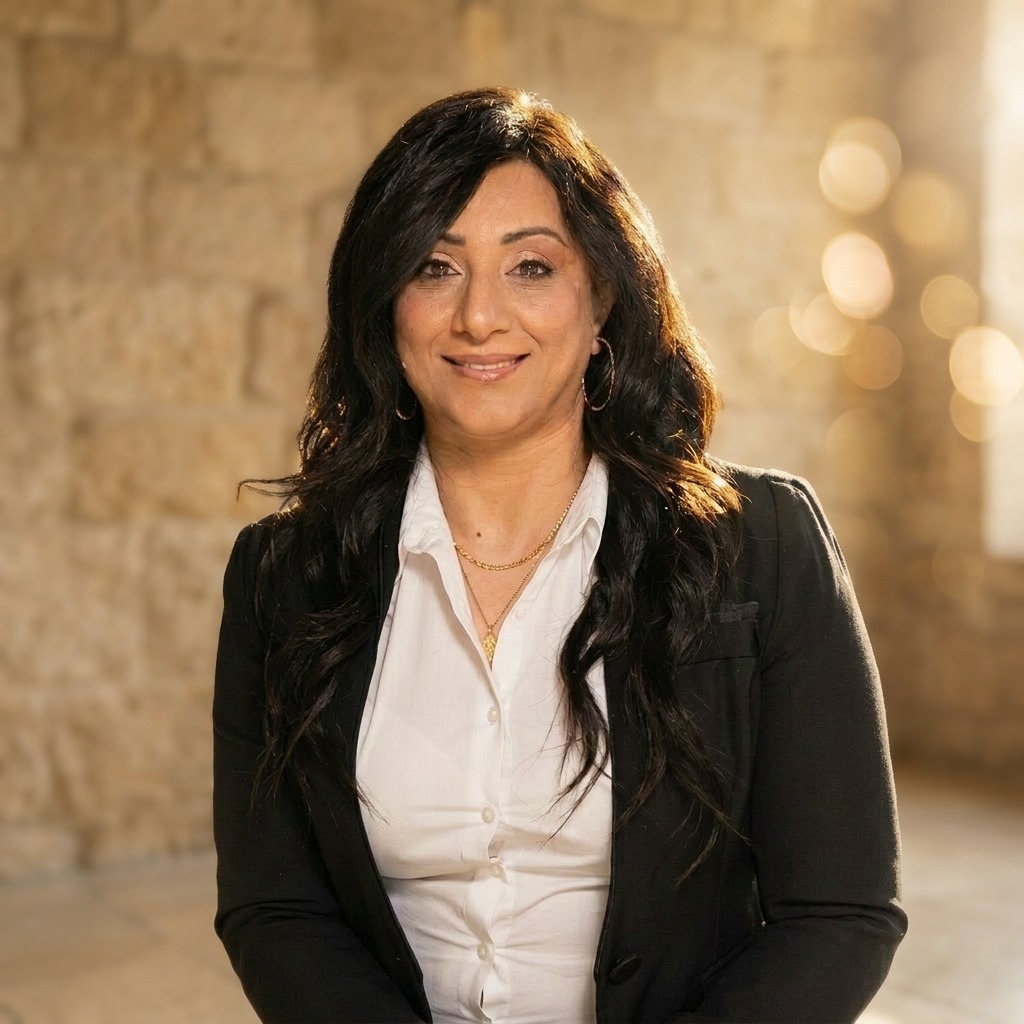
“We carry responsibility for the place where we live.”
“Every single day reveals how two languages and two cultures collaborate, coming together with one heart to give.”
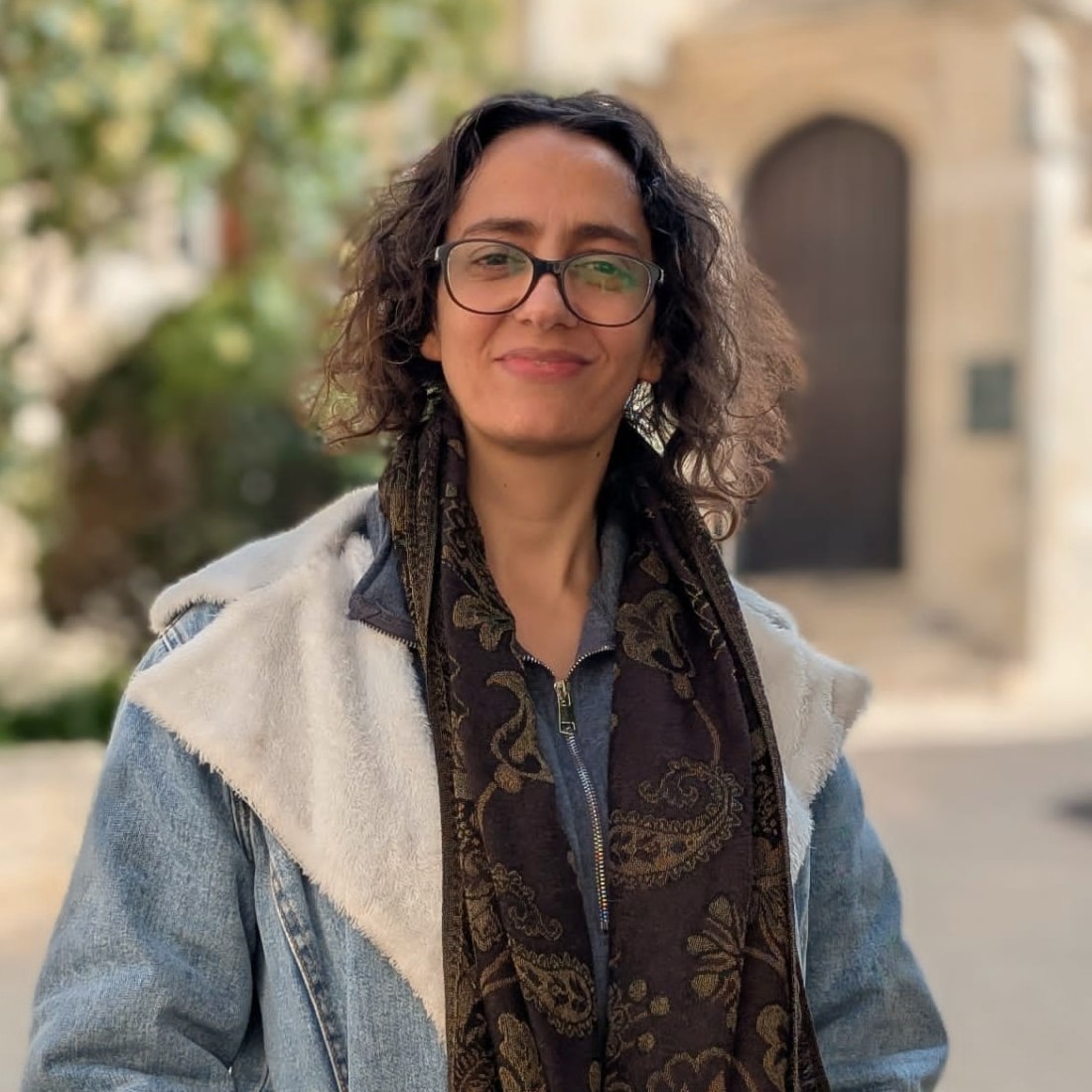
“In every encounter, we think together how to help. It doesn't matter - Jewish, Arab, it doesn't matter.”
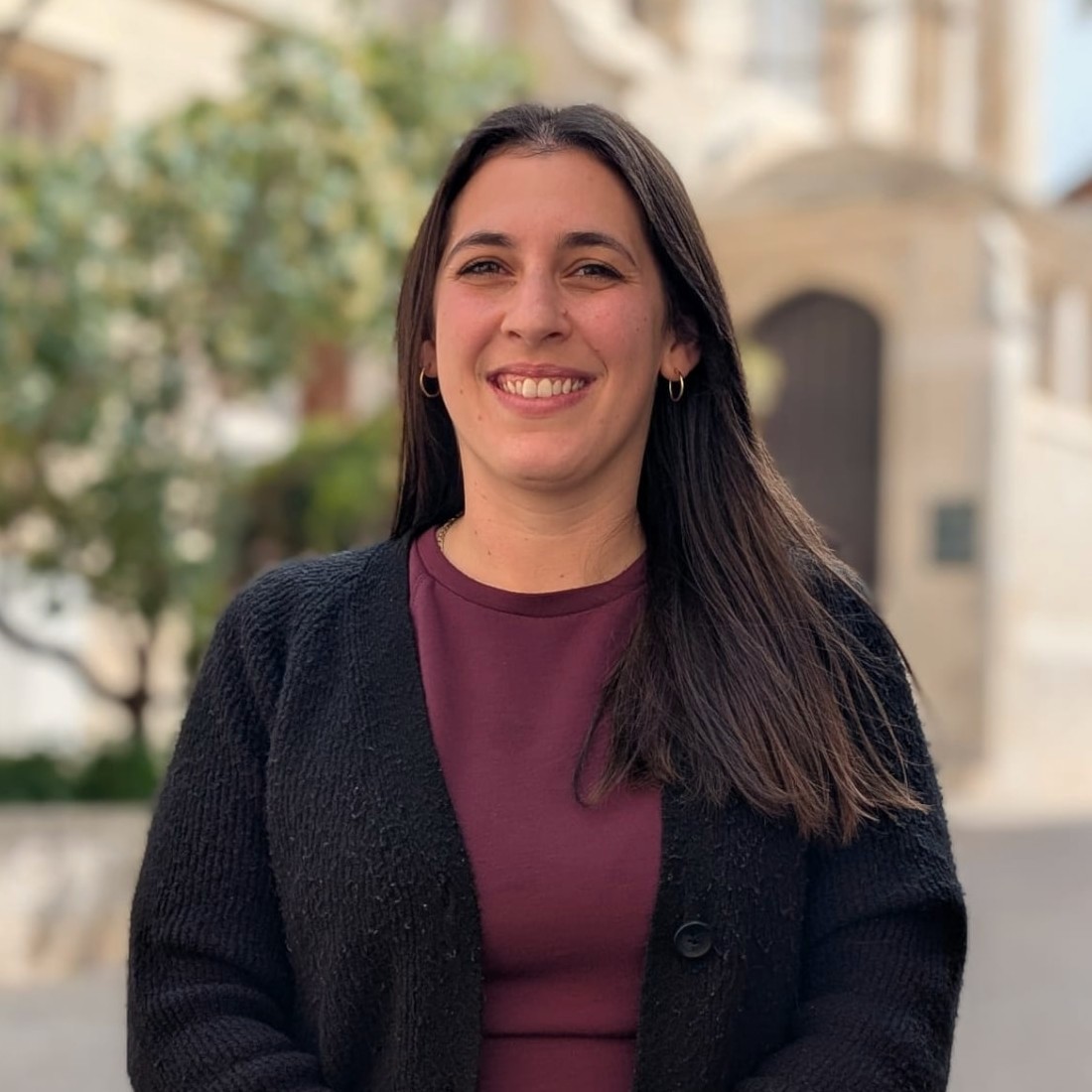 Moriel
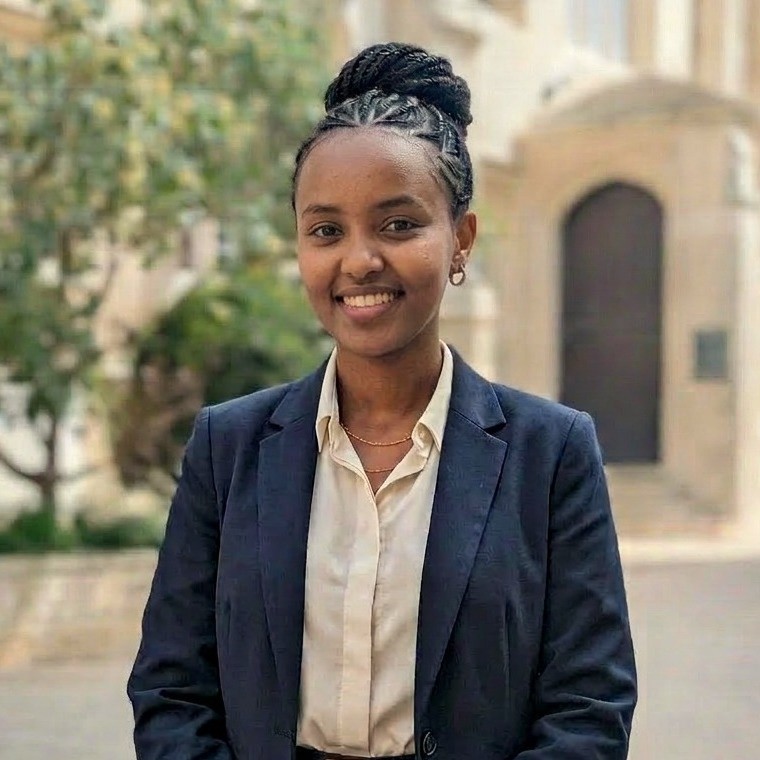
“It is possible to be different and still help and support each other, together with one another.”
“Multidimensional care from a diverse team - isn't that moving?”